
 Wildlife
of Thailand
Thailand in 2017: Eden's Whales, Indochinese Gray Langurs and a family trip from Bangkok to Koh Lanta
Trip report by Jon Hall on mammalwatching.com · 23 September 2017
I spent a couple of weeks in Thailand in July 2017. I’ve been to Thailand many times and July isn’t the best month to mammal watch there. But no matter: I wanted to give my kids an introduction to Asia, as well as hang out with Coke Smith and his family. And if I could squeeze in a new mammal or two then so much the better…
So I designed an itinerary aimed at combing a couple of new mammals for me with a couple of happy kids. This was successful.
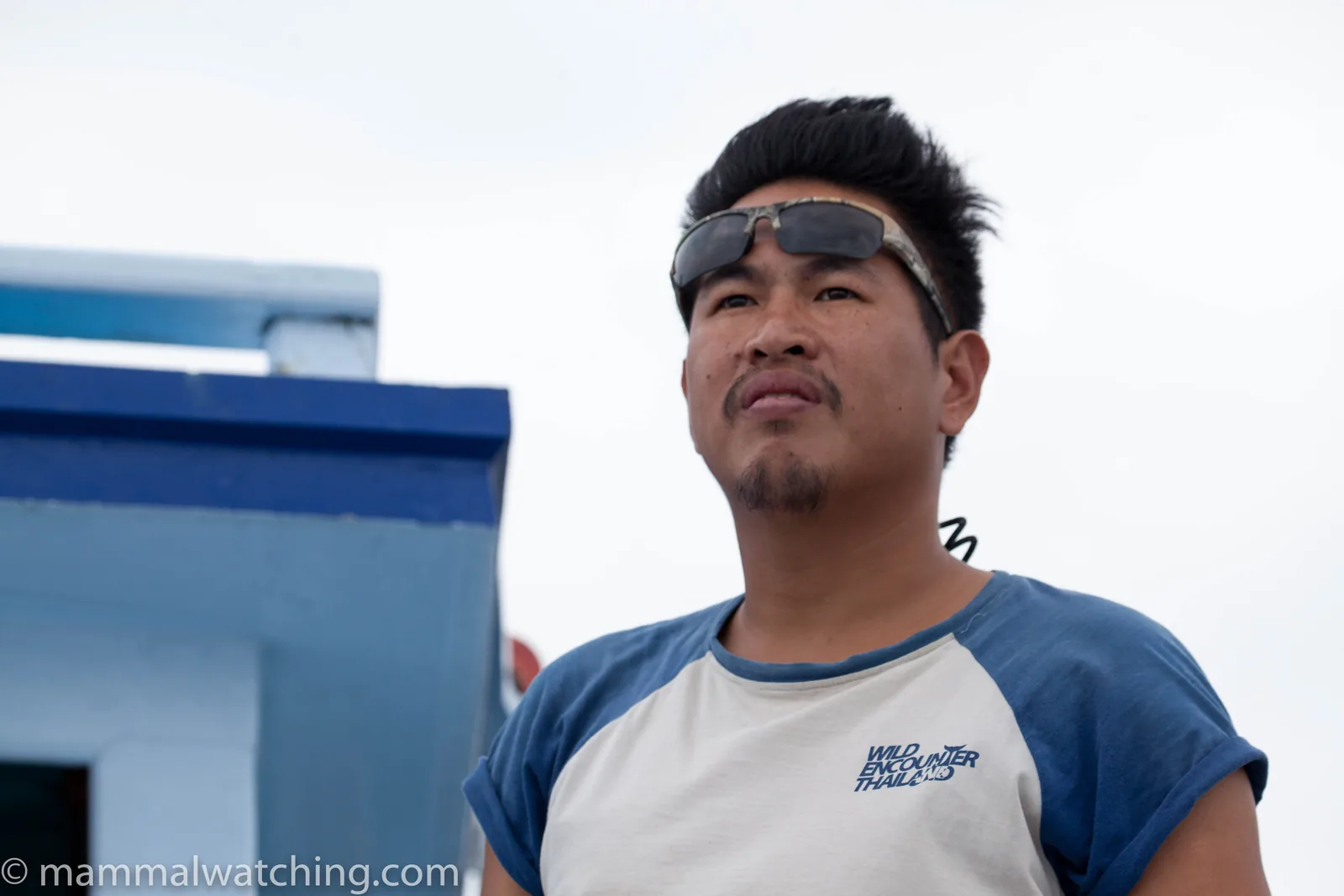
I’d originally planned to spend two days whale watching off of Bangkok, followed by a few days in Kaeng Krachan and Phu Kieow National Parks, ending with time at Coke Smith’s place on Koh Lanta. I organized everything with the help of Jirayu Ekkul (aka Tour) from Wild Encounter Thailand. Tour is one of Thailand’s leading nature guides, a good buddy of Coke’s, and also set up the whale watching off of Bangkok. More on him later but he’s definitely highly recommended. He’s Thai, but grew up in the States, so speaks perfect English and can navigate both Thai and western culture.
The trip shifted a bit during the planning stages. My original goal in Kaneg Krachan was to see the Sun Bear that was visiting the campsite regularly in 2016. But in early 2017 the Sun Bear stopped coming regularly – or was no longer being fed – and so we decided instead to visit Khao Yai. One of my nemesis mammals – Southern Serow – is now “pretty easy” to see in Khao Yai, according to Tour. All well and good until a landslide closed the bit of Khao Yai we needed to get into. So we opted to go to Kaeng Krachan after all: a park I have long wanted to visit, though it would be much better to go in the dry season.
Bangkok
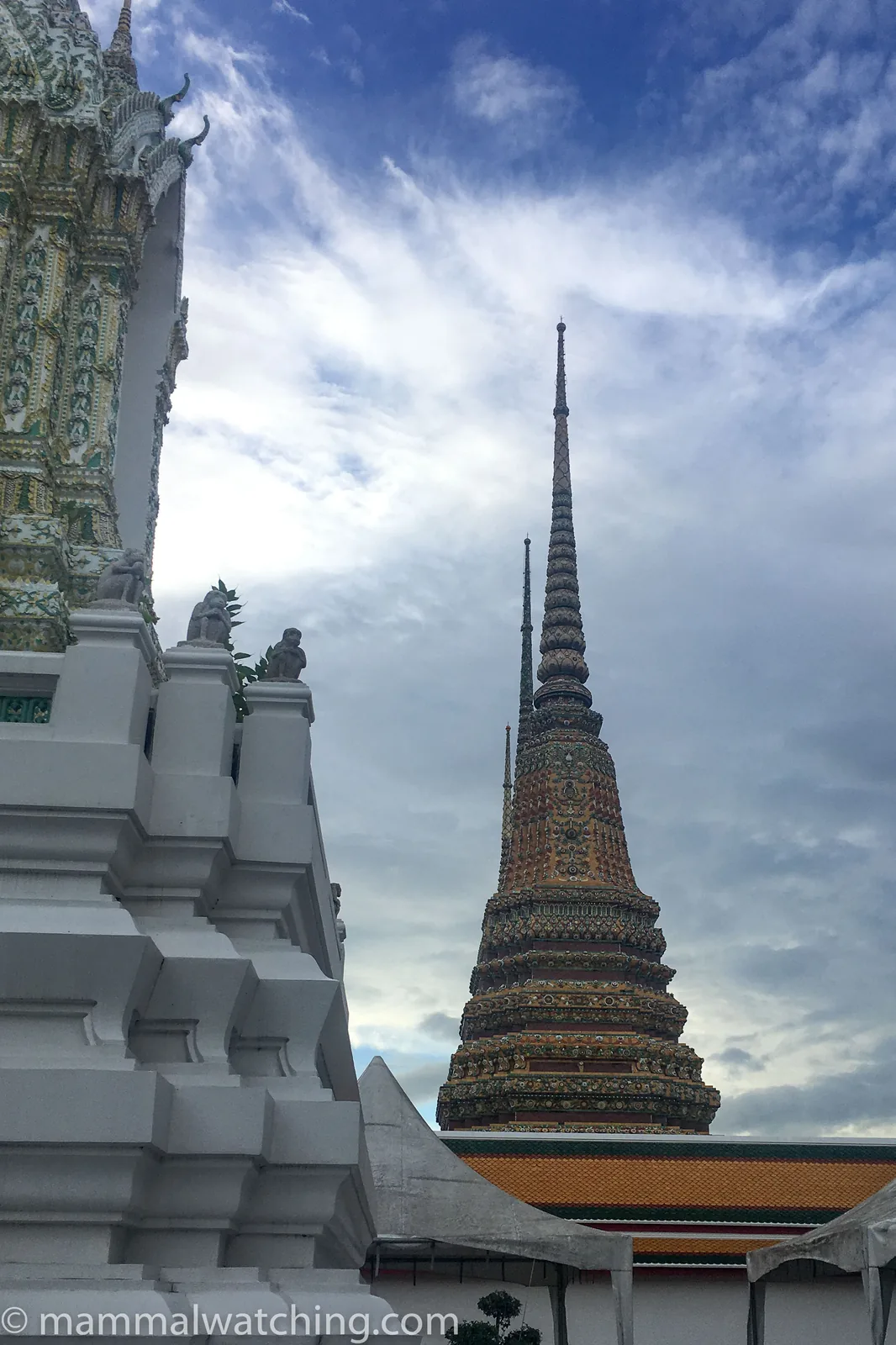
It had been seven years since I was last in Bangkok and the city is noticeably quieter and cleaner: the tuk tuks and street food are giving way to taxis and 7/11s. So many 7/11s. The only mammals I saw in the city itself were a few flying foxes – presumably Lyle’s Flying Foxes – flying over our hotel’s rooftop pool downtown.
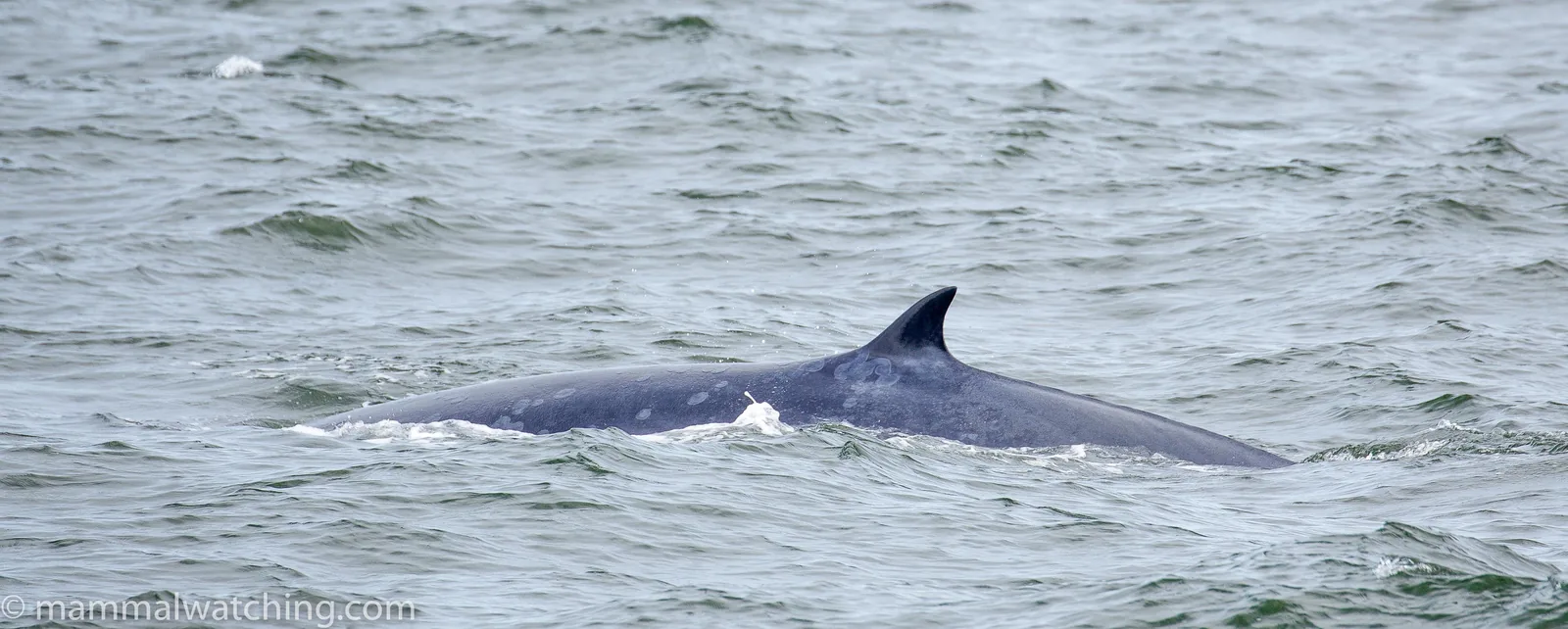
The main mammal action was at sea. A few years ago Tour learned that there were resident Eden’s Whales (a recent split in many people’s view from Bryde’s Whales) in the Gulf of Thailand not far from Bangkok. Though well known to fishermen they appear to have been overlooked by science. He now runs regular day trips to see the whales. The trips leave from downtown Bangkok from where it is about an hour’s drive to the boat. For more details check out Wild Encounter Thailand’s website.
July is not the best, nor the worse, time of year to look for the whales and Tour suggested we spend a couple of days at sea to be sure I could see both then and Irrawaddy Dolphins (another resident species though generally close in to shore).
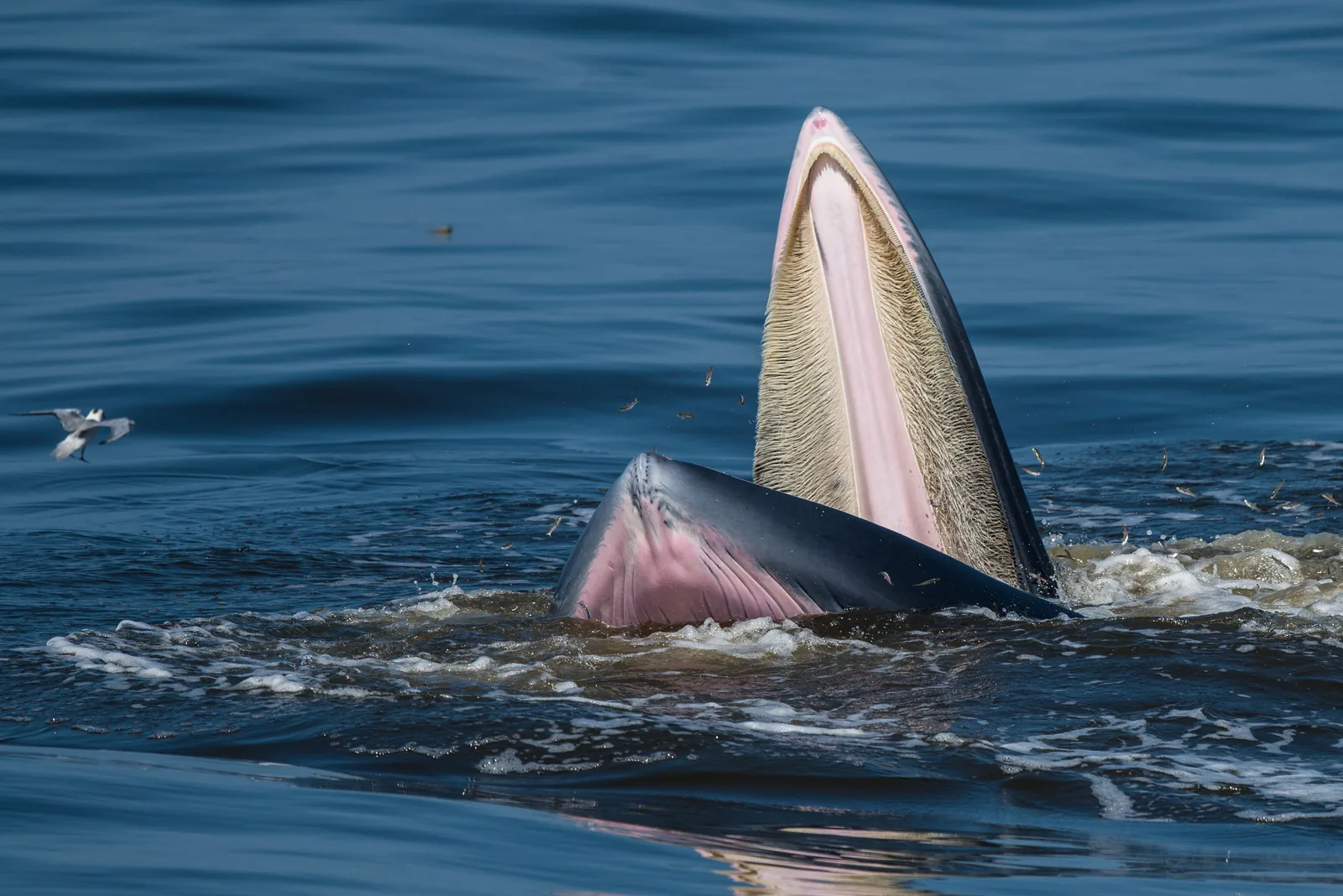
On our first day we saw a couple of whales. We got good views but didn’t see any behaviour as spectacular as some of the pictures Tour has taken of them trap-feeding, a behavior that seems commoner at other times of year.
Coming back into port we got a nice look at a pod of Irrawaddy Dolphins, though photographing them was challenging to say the least.
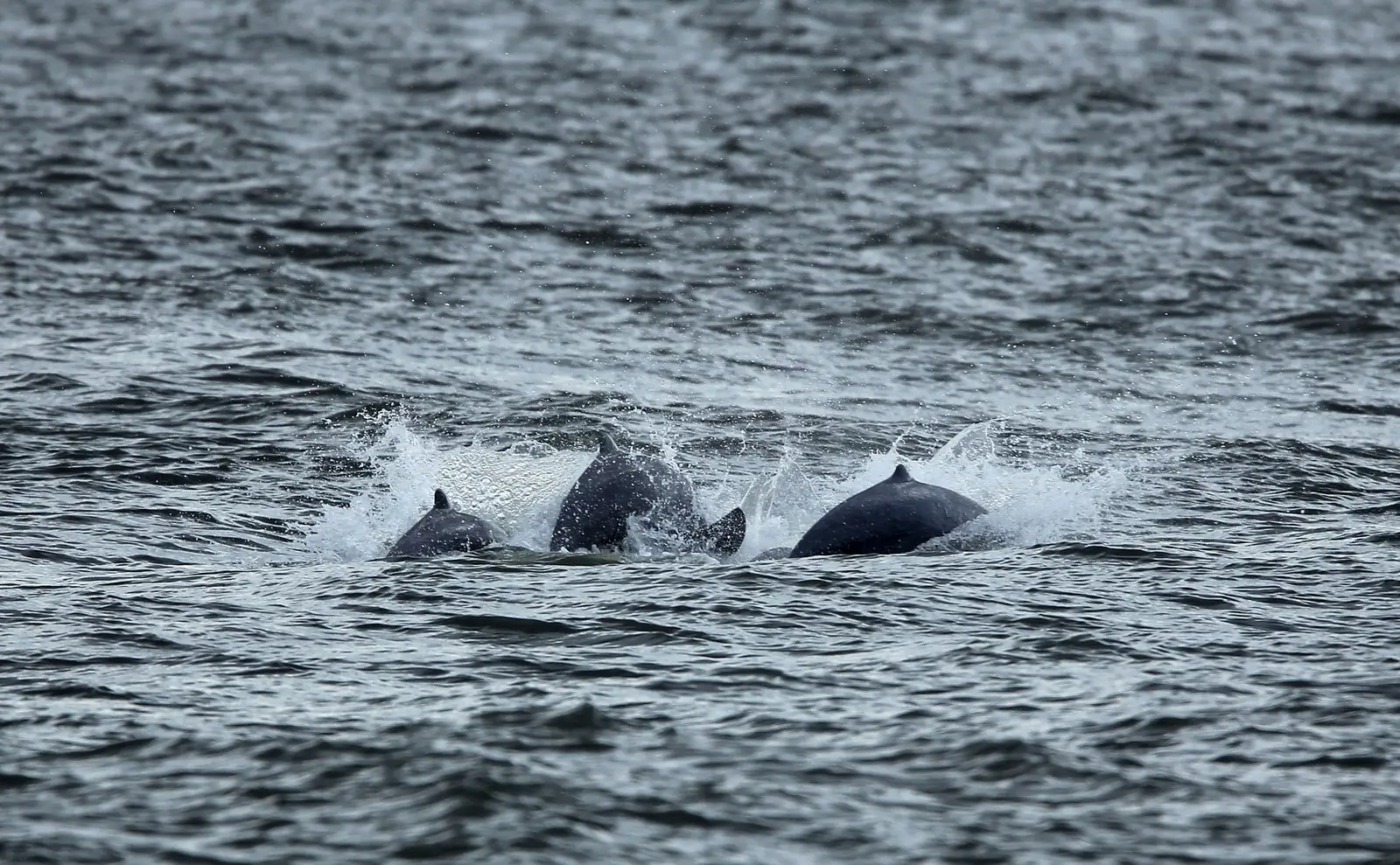
We went back out the next day and – after a lot of sailing – Tour managed to get the boat quite close to one Eden’s Whale, though it didn’t hang around for long. We saw no Irrawaddy Dolphins. My guess is that you might have a better chance with the Irrawaddy Dolphins by sea watching from the coast near where the whale boats leave (there is even a dolphin watching sign showing you the way). Tour’s main focus is on the whales and you have to be fairly lucky to run into a pod of dolphins on your way out or back to the pier. The dolphin’s movements might, very close to shore at least, be partly determined by the tide I guess. At Broome Bird Observatory the Australian Snubfin Dolphins can reliably be see from shore when the tide is in for example.
Driving to and from the pier we saw a Long-tailed Macaque and a Variable Squirrel. Otters – presumably Small-clawed Otters – are seen occasionally raiding the fish farms near to the pier.
Kaeng Krachan National Park
A number of friends rate Kaeng Krachan as their favourite park in Thailand. But, for various reaons, I had never been and so this trip was a chance to rectify that, even if it was a very wet time of year to visit.
The park is quite close to Bangkok: it took us less than four hours to drive to the comfortable Samarn Bird Camp, a guesthouse just outside the park. We travelled in a comical bus that – in keeping with current Thai fashion – was about two inches off the ground (and this was after Tour had asked them to raise the suspension!). A very comfortable way to cruise Thailand’s highways but utterly hopeless for Kaeng Krachan.
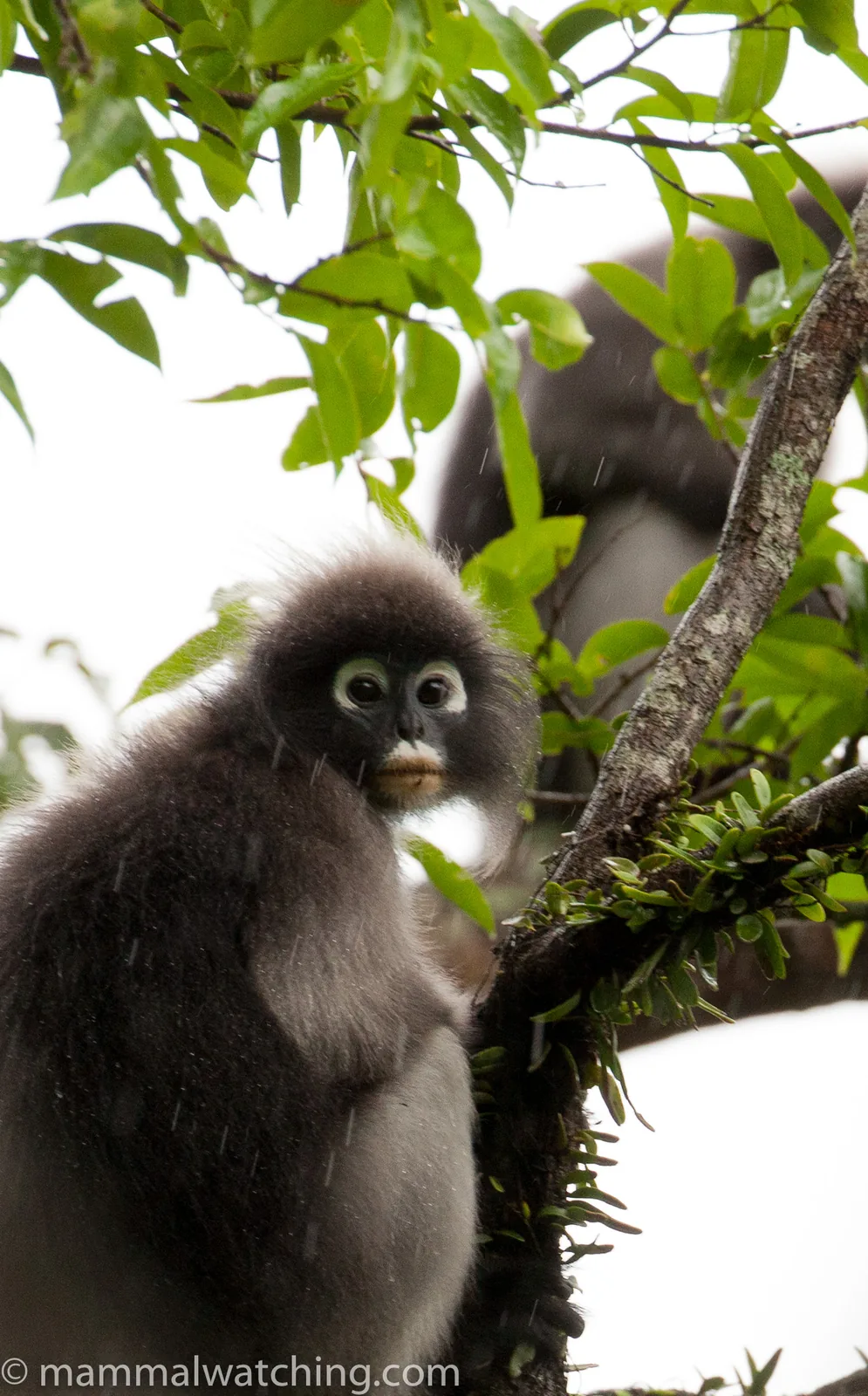
So we arranged for a jeep and a guide to take us up the mountain for a day. It rained almost the entire day, with the rain torrentially heavy up past the Kaeng Krachan campground. Not surprisingly we saw very few mammals. Coke spotted a troop of Spectacled Langurs sitting out in the rain, while Patrick and Coke Jr saw a deer that was probably a Sambar.
At the campsite we learned that the Sun Bear is still an occasional visitor and it had put in an appearance just after lunchtime a few days earlier. So we hung around there for a few hours in the hope it might return. It didn’t, though a Golden Jackal appeared very briefly to look for scraps behind the kitchen.
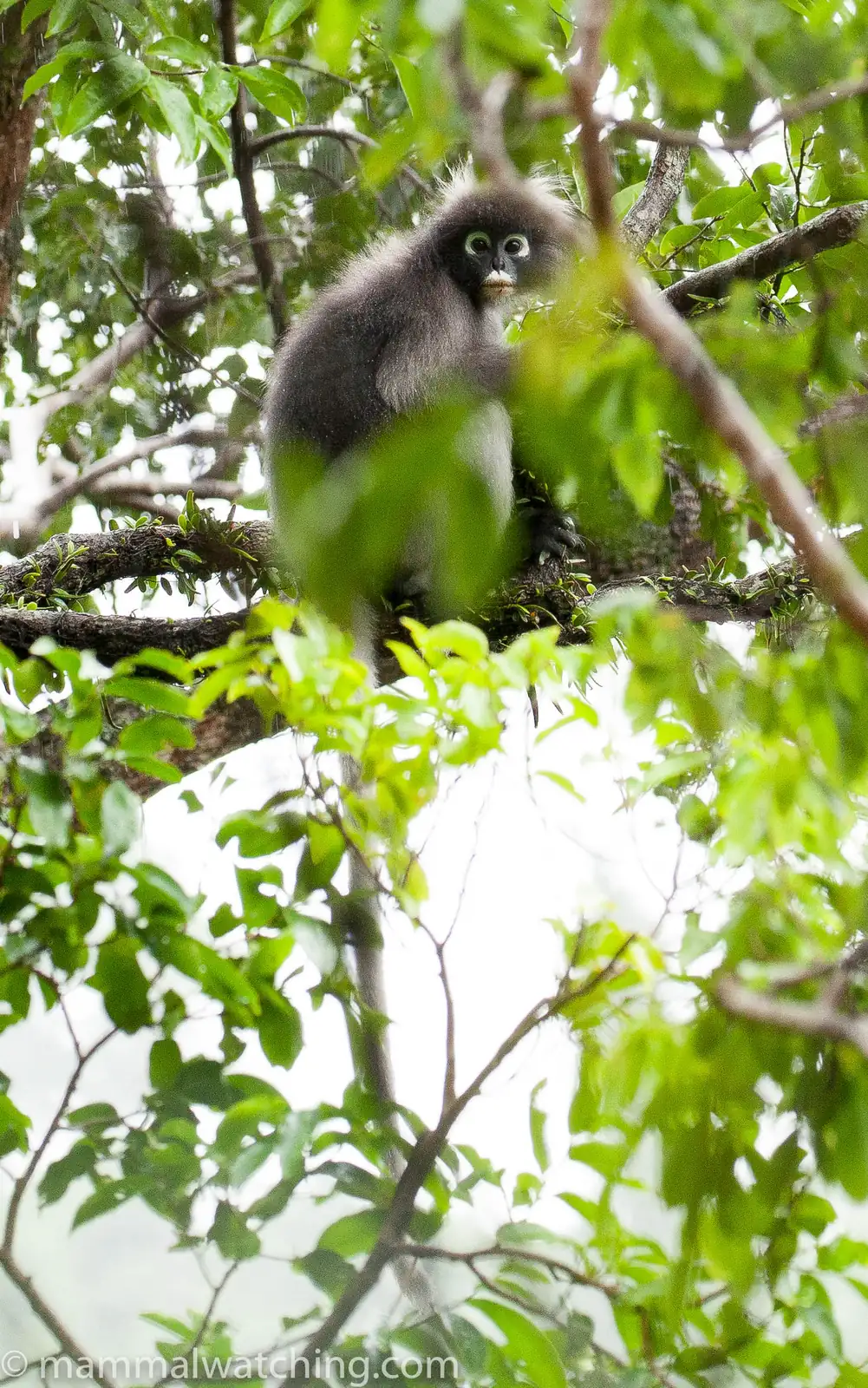
The park though does have some great mammals, Leopards, for example, are not uncommon there, and it is the only place I know where you have a reasonable chance of seeing Fea’s Muntjak. Coke has photographed Tenasserim Langurs there too. They are thought to be rare in the park, but perhaps they are rarely ID’d correctly…
The park regulates traffic flow by allowing cars to drive up or down the mountain only at certain times of the day. The roads are closed after dark so spotlighting is not possible. There are, however, a number of wildlife viewing options outside the park now available: primarily blinds set in front of waterholes on private property. Tour said these can be pretty good to see a range of mammals though they are only effective in the dry season.
Phu Khieo Wildlife Sanctuary
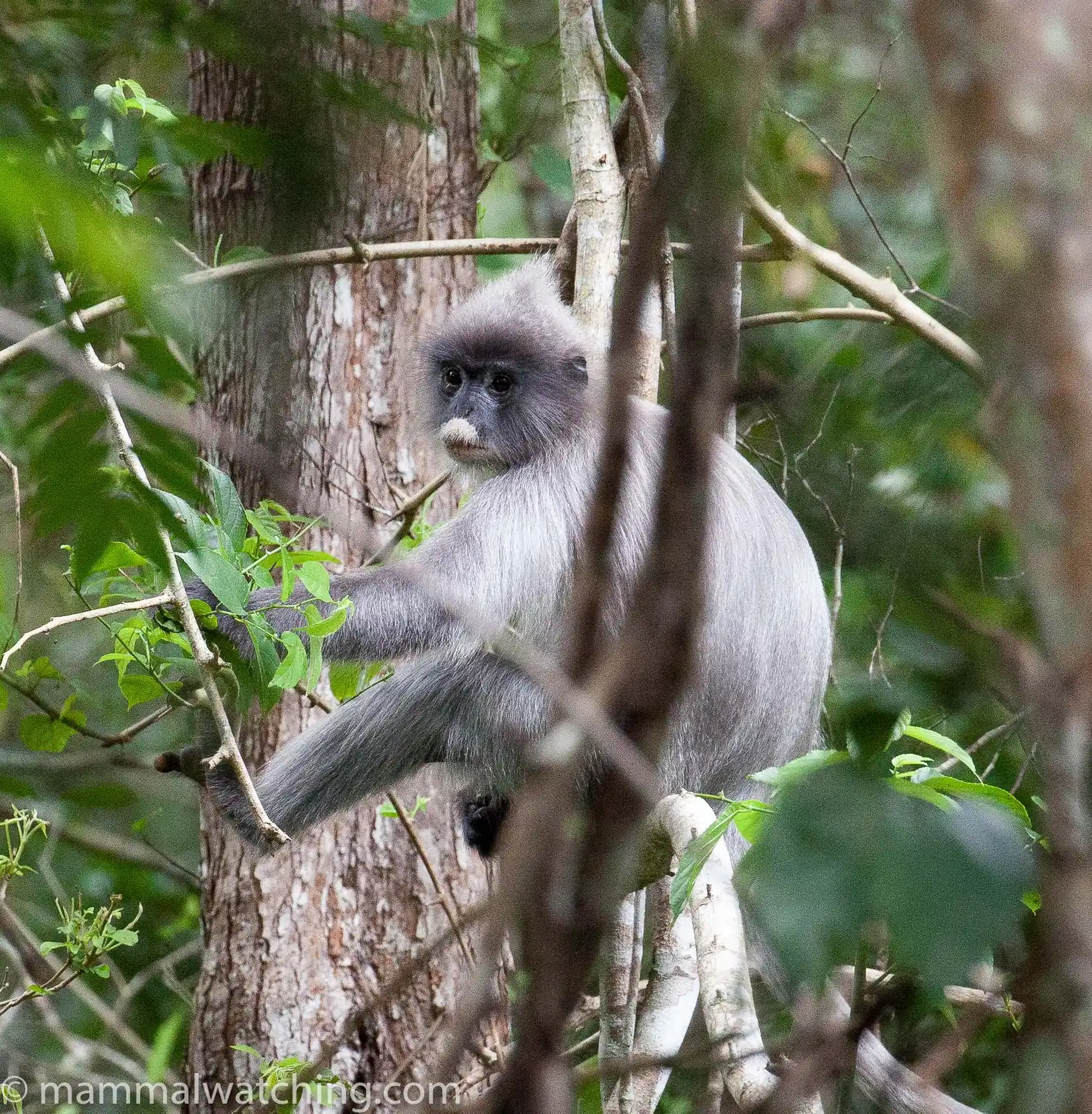
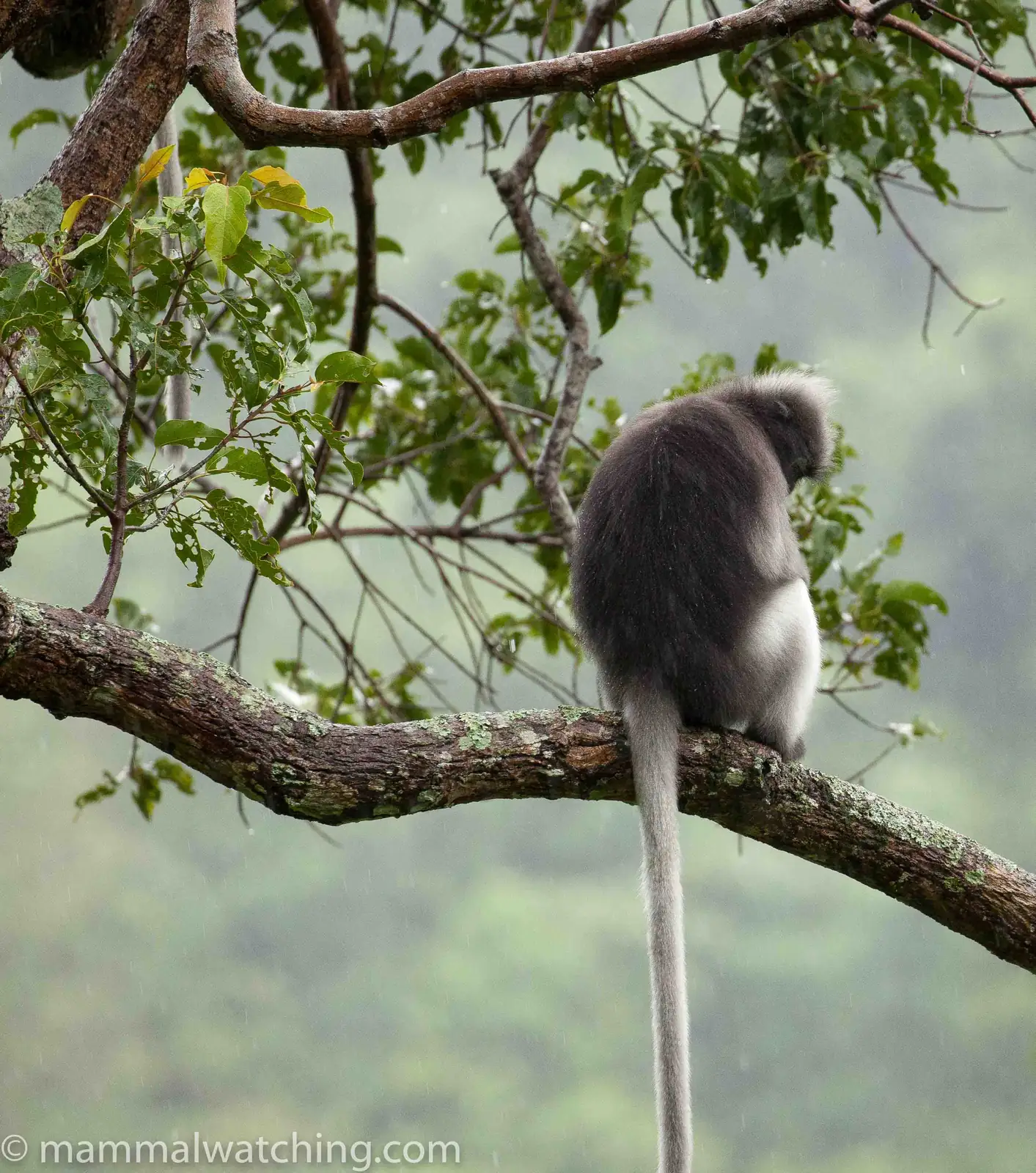
It took all day to reach Phu Khieo Wildlife Sanctuary from Kaeng Krachan. This is another area reputedly good for mammals and one of the best (and only) places in Thailand to look for Indochinese Gray (formerly Phayre’s) Langurs, another of my target species. The park – a wildlife sanctuary – is more strictly controlled than national parks, as Richard Webb discovered in 2010. But Tour knows the management and we were able to spotlight and stay inside the park without any problems.
We arrived just before dusk. While the kids wandered off into the forest to get savaged by leeches, I took a quick look at a Red Giant Flying Squirrel emerging from its roost hole close to the park cafeteria. There were Hog Deer everywhere, and Malayan Porcupines are regular visitors to the kitchen at night looking for scraps, though we didn’t look for them.
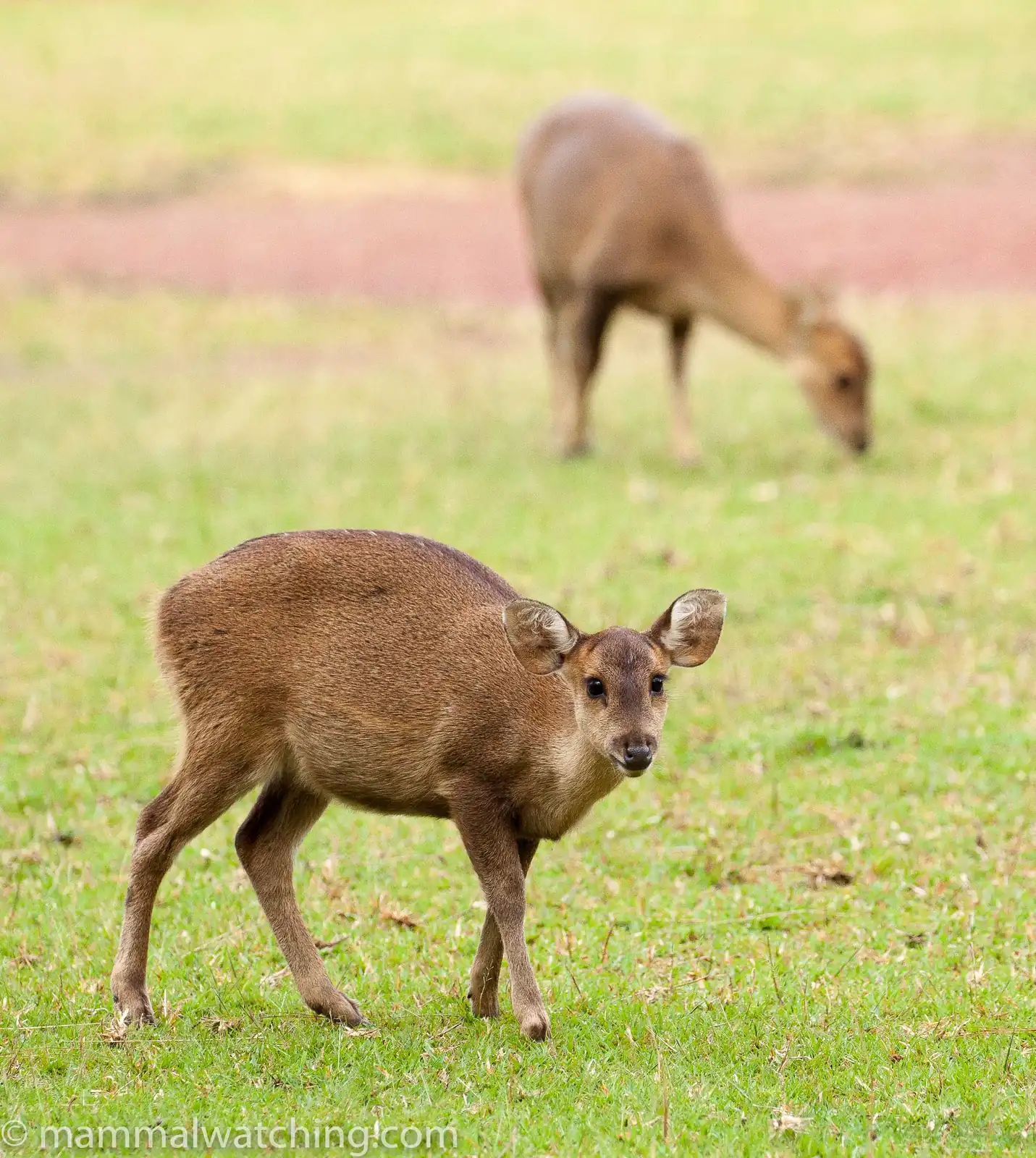
We saw a few Sambar along the road.
The next day we drove back down the mountain to look for Indochinese Gray Langurs: they are regularly seen near a park office by some open ground about thirty minutes down from the accommodation.
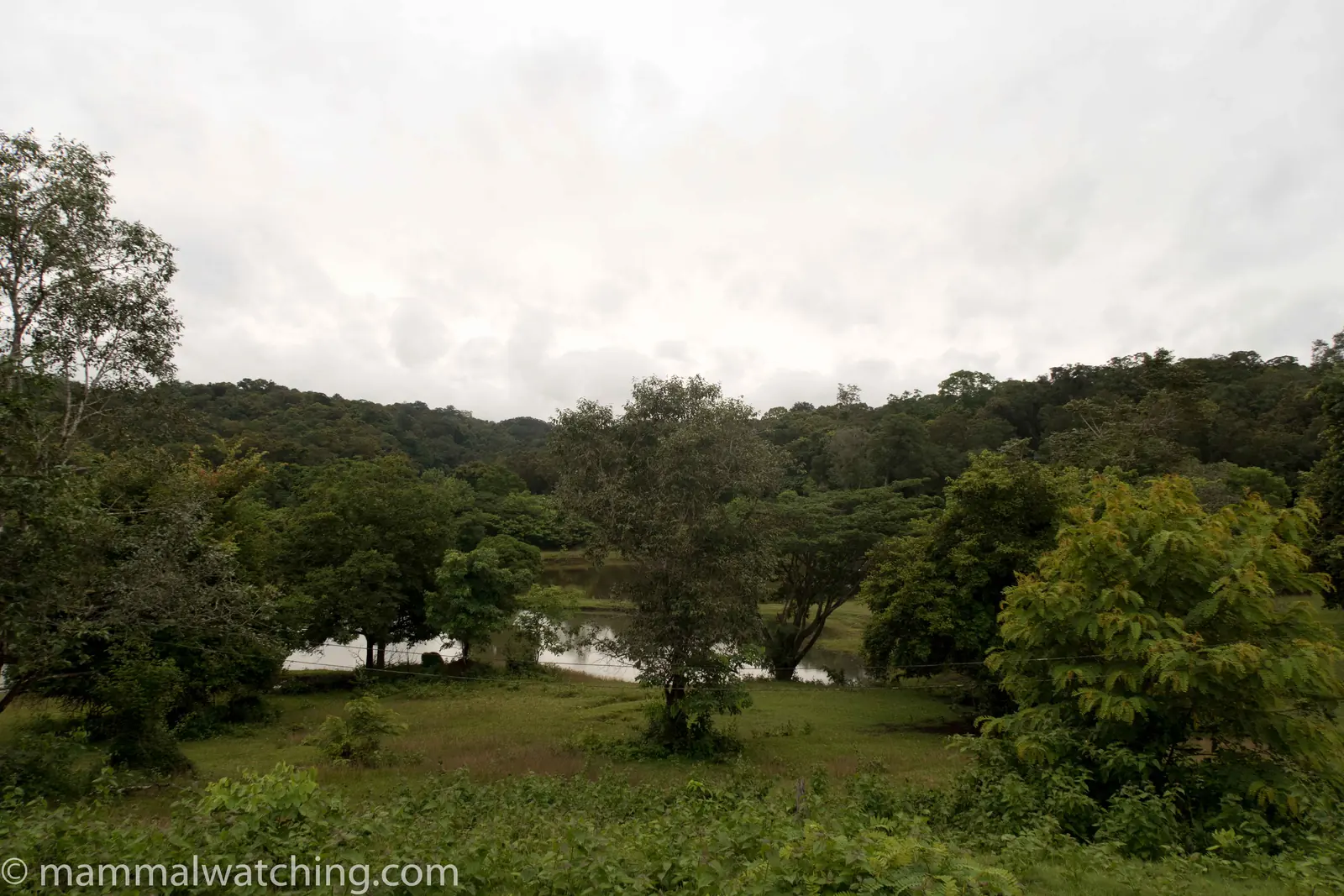
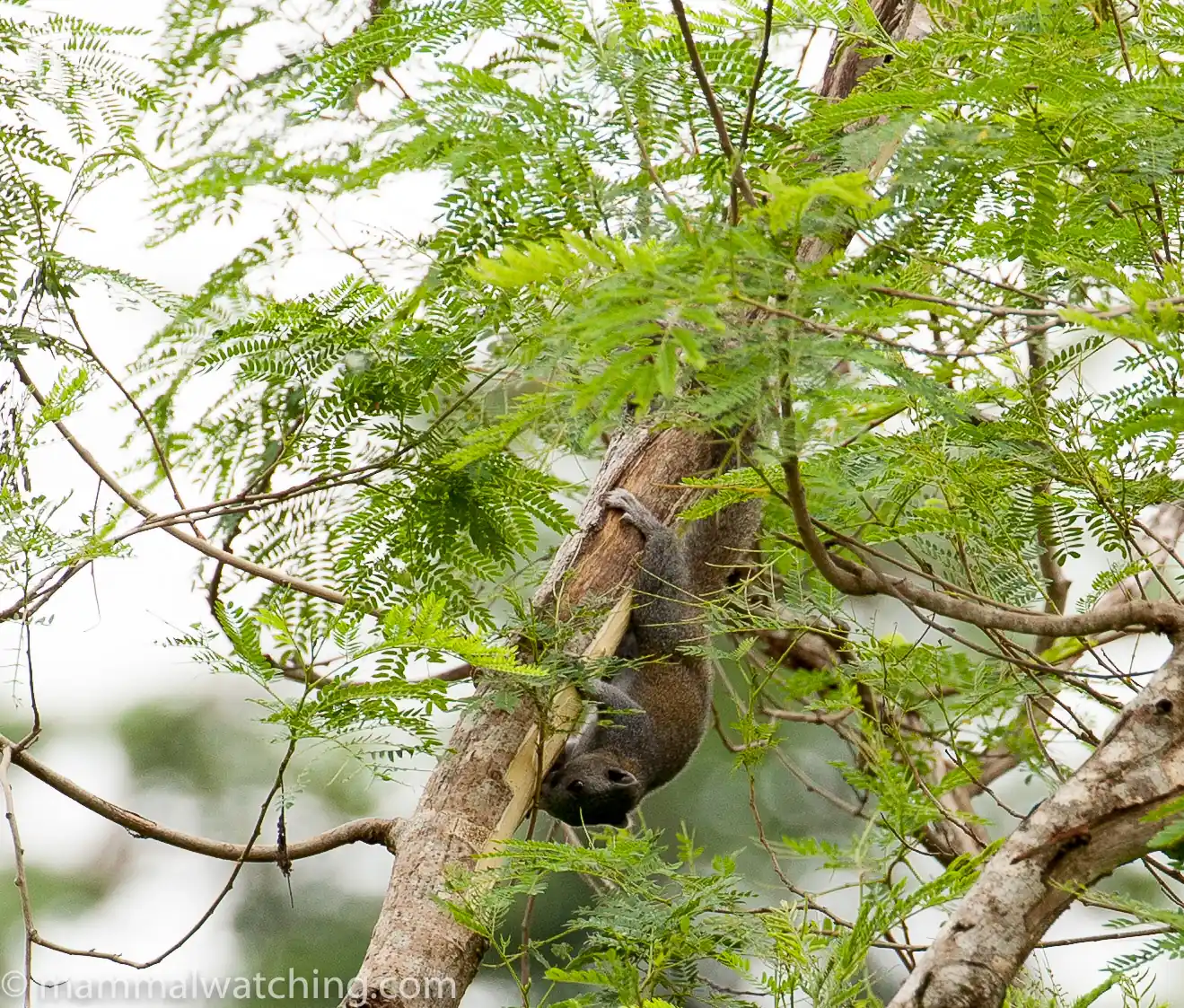
We spent three hours looking in the forest and along the road. No langurs, though we did see some Rhesus Macaques and a White-handed Gibbon, as well as this Grey-bellied Squirrel.
Back at the accommodation at lunchtime we made an executive decision to leave Phu Khieo that afternoon, rather than spend a second night. Although we had a reasonable chance of seeing a Phayre’s Langur with further effort here, we were pretty much guaranteed to see them at a temple near the town of Loei. But visiting Loei meant having to leave Phu Khieo that day.
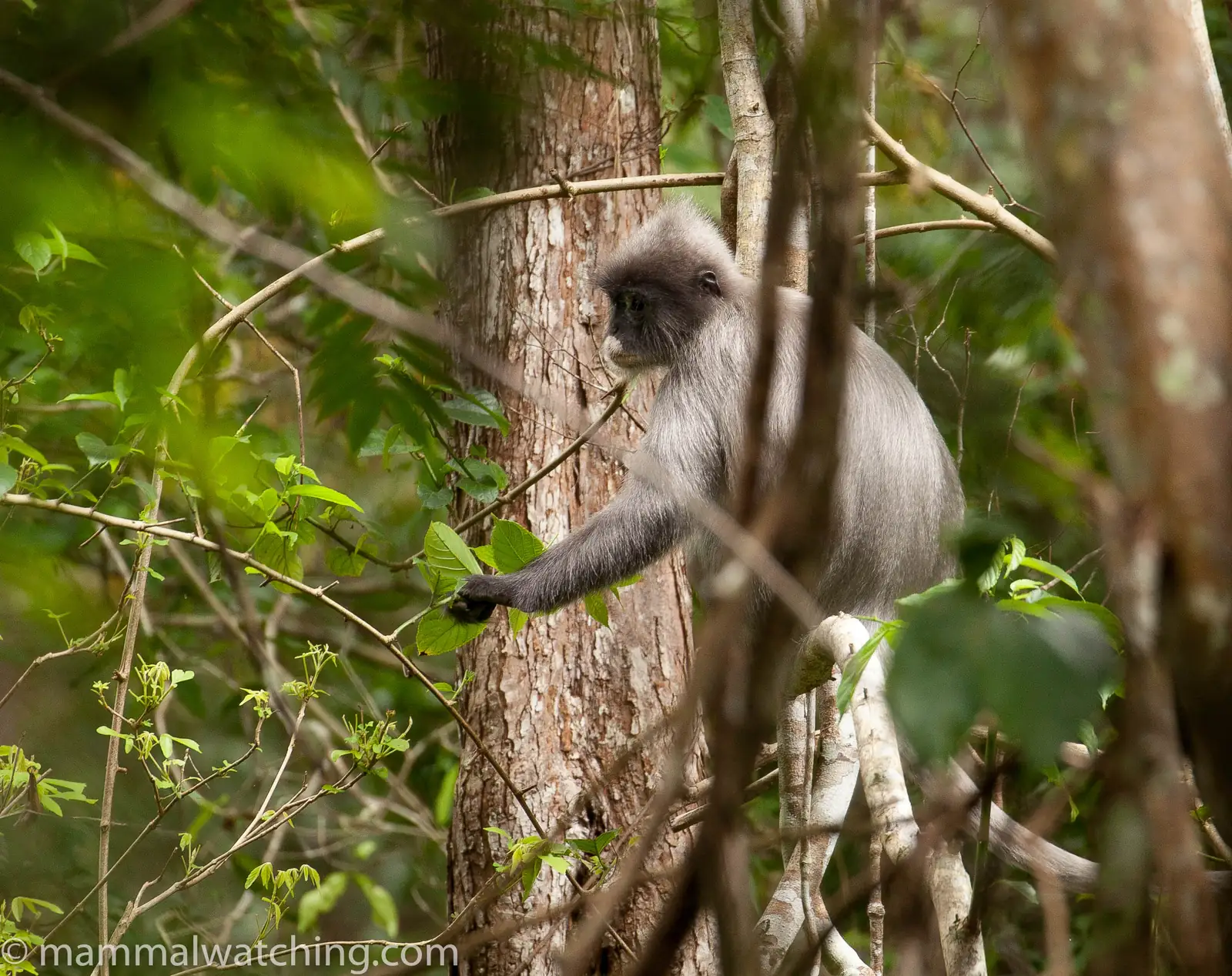
Of course on the way down the mountain as we were leaving, in the mid-afternoon, we saw a group of Rhesus Macaques a couple of miles past the “Phayre’s Langur spot”. And then Patrick spotted an Indochinese Gray Langur in with them, which posed long enough for a few photographs.
A brief visit, but a nice park that warrants a longer stay as there are a range of excellent mammals here including Clouded Leopard, Golden Cat and Asiatic Black and Sun Bears.
Loei
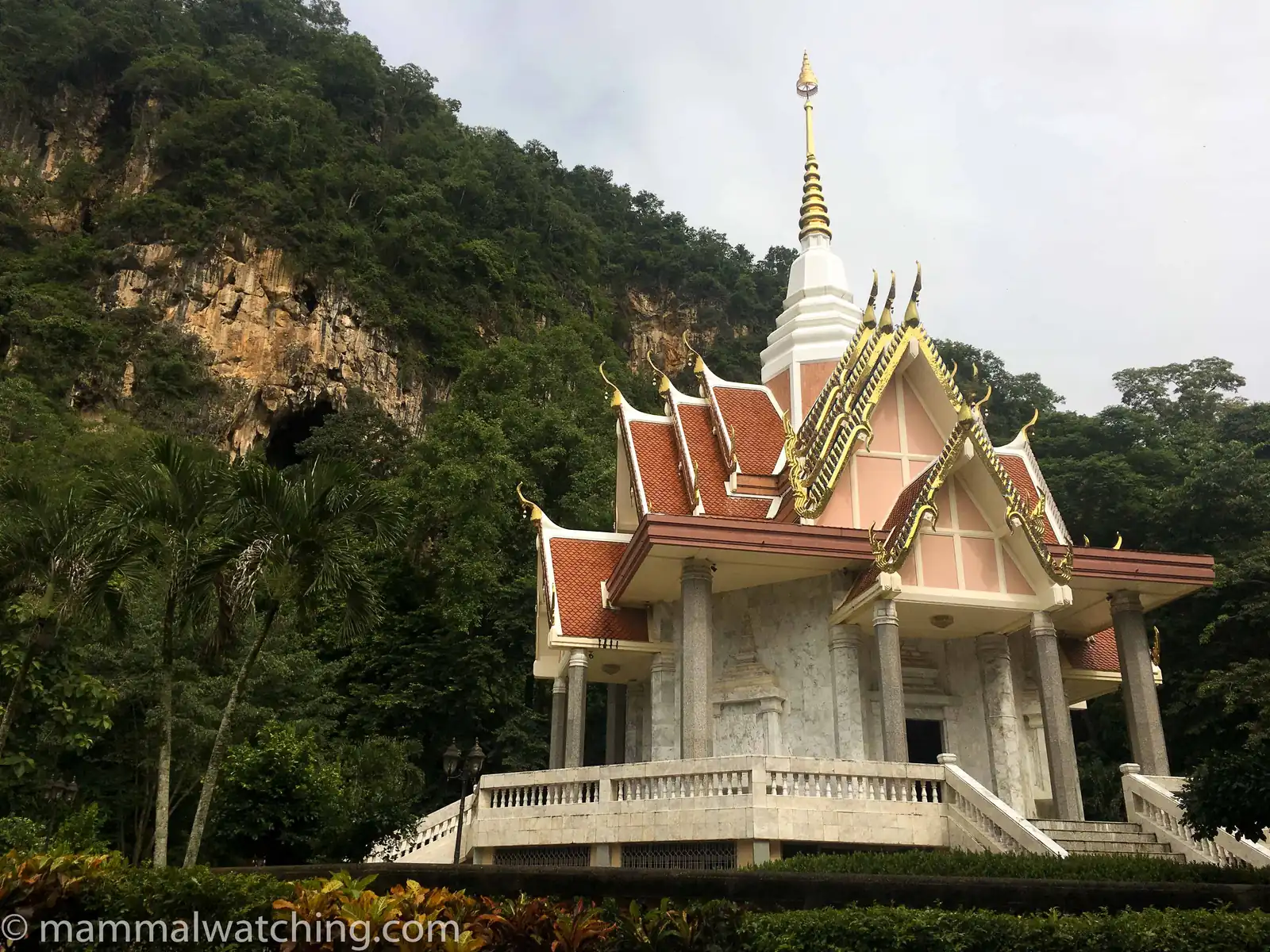
My friend, and top rate naturalist, Rattapon Kaichid (aka Tu) who I travelled with several times before in Thailand doesn’t seem to be doing much guiding these days. But he recommended I visit Wat Tham Pha Puu Temple very close to Loei to see Indochinese Gray Langurs.
It took about three hours to reach Loei from Phu Khieo. Its a medium sized town with some of the best food – the local Isaan food – I have ever had in Thailand.
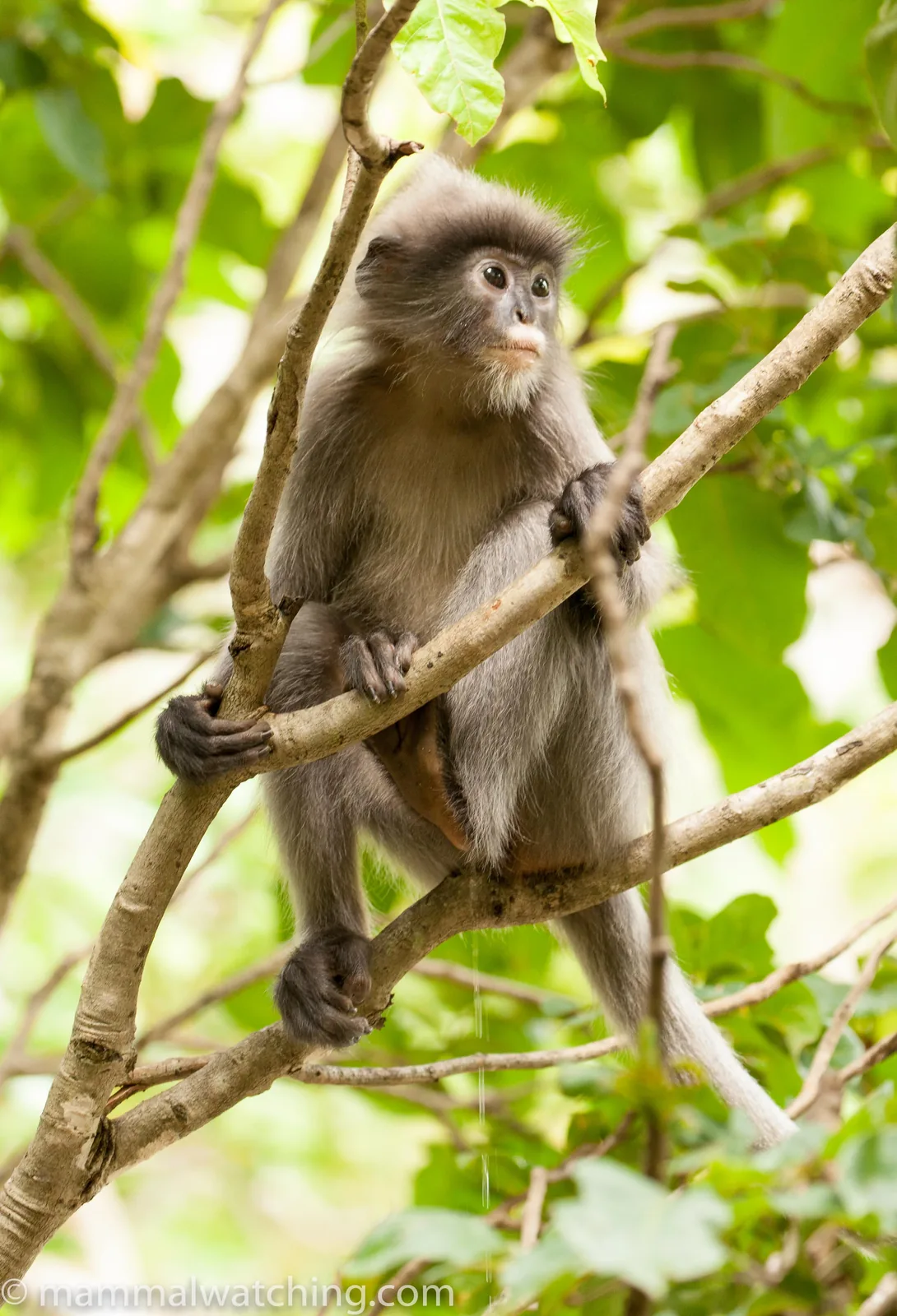
We visited the temple at 7 a.m. the next morning and it took about two minutes to find a dozen or so Indochinese Gray Langurs.
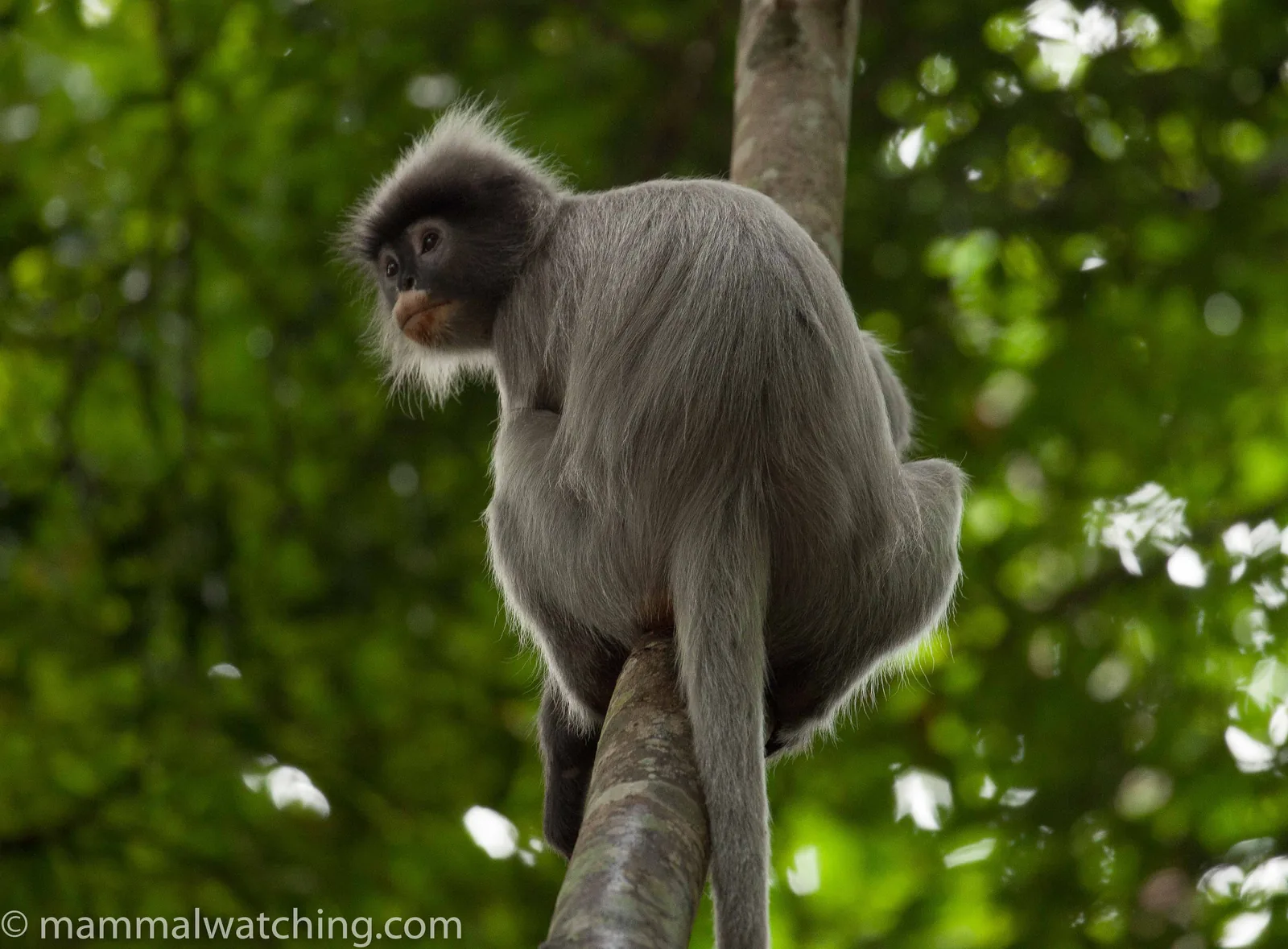
They were around – and on – a small tower that we could climb up to get to eye level with the langurs.
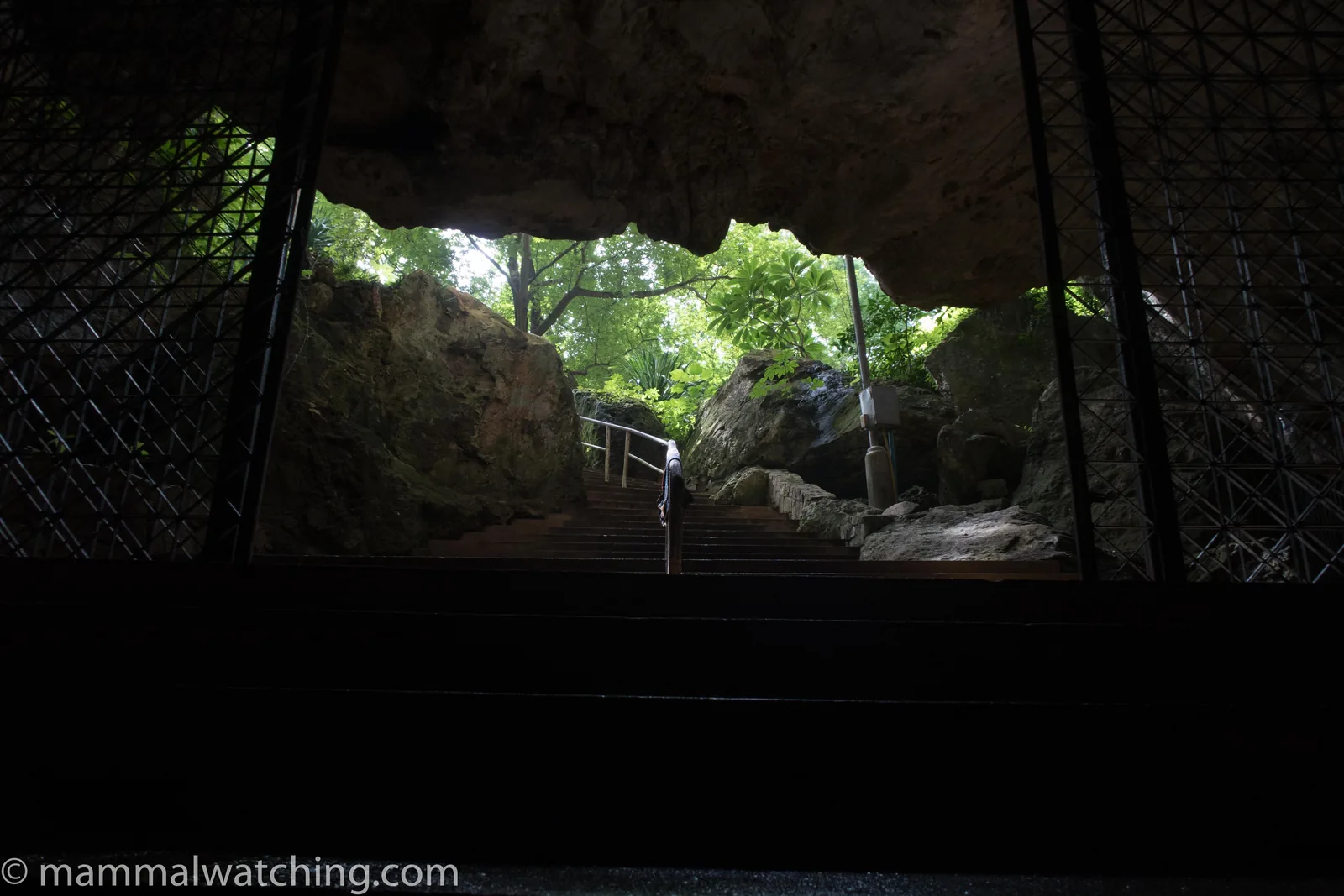
A large cave, in front of the temple, was home to a statue of the Buddha and many bats, comprising at least two species.
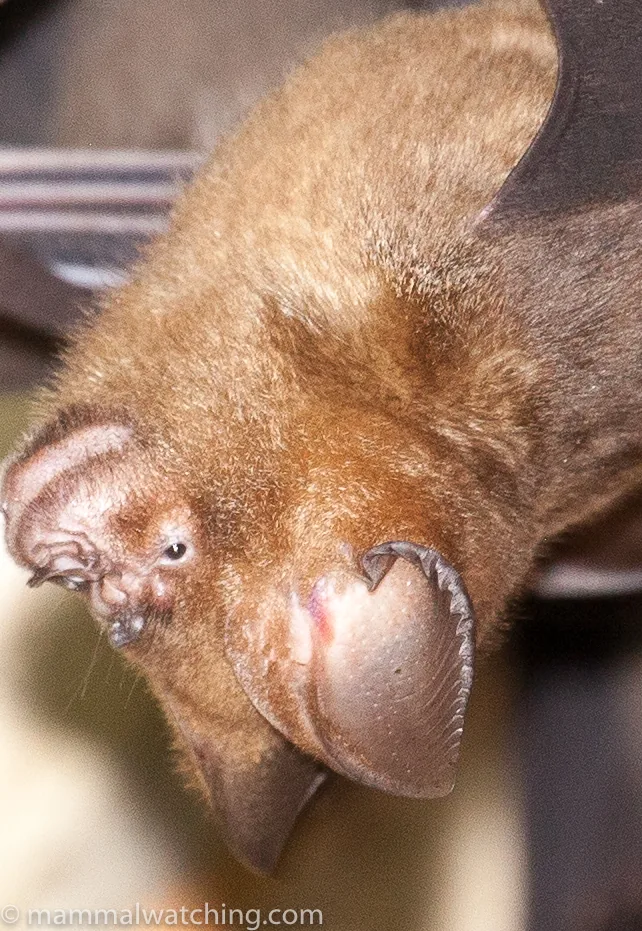
Most of the bats were Greater Roundleaf Bats.
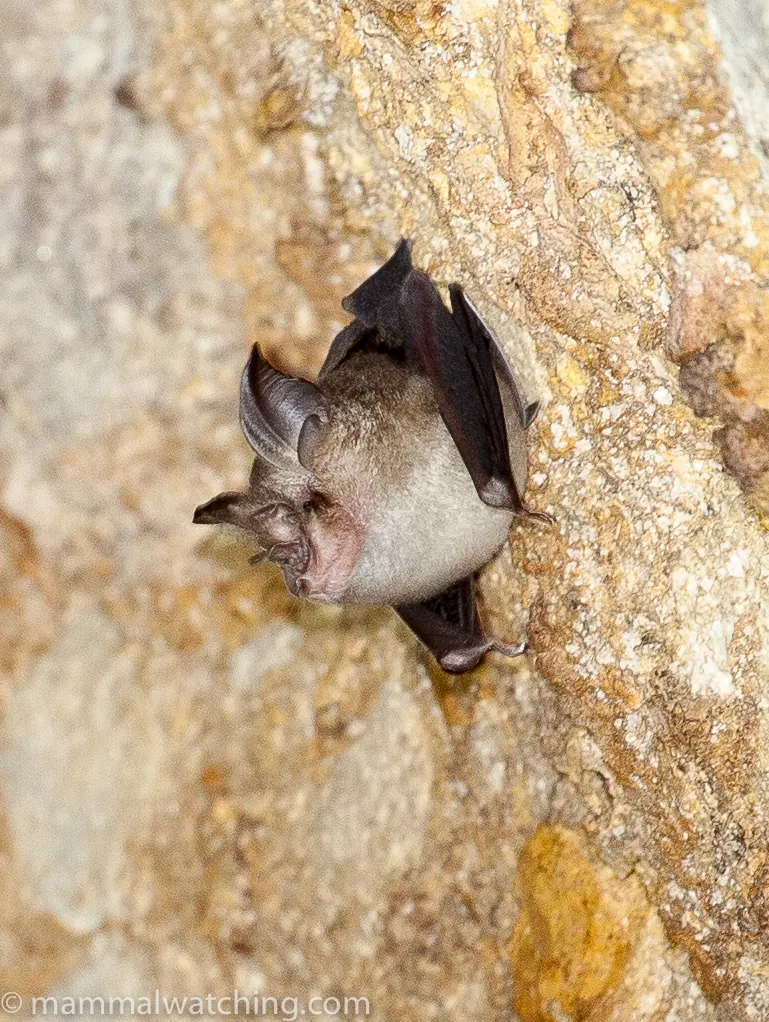
Some smaller horseshoe bats were harder to identify without catching them. I think they were Least Horseshoes but there are several quite similar species that are possible in the area, so I would love to be corrected.
A great spot and one of the highlights of the trip. From Loei we drove all day to Chiang Mai and went our separate ways. Me and my kids to Laos; Tour, Coke and Coke Jr to Bangkok. A big thanks to my companions, especially to Tour for doing a spectacular job as guide, planner and driver. He’s highly recommended.
But are Thailand travels weren’t over. After three nights in Laos we returned to visit Coke Smith at his place on the island of Koh Lanta.
Koh Lanta
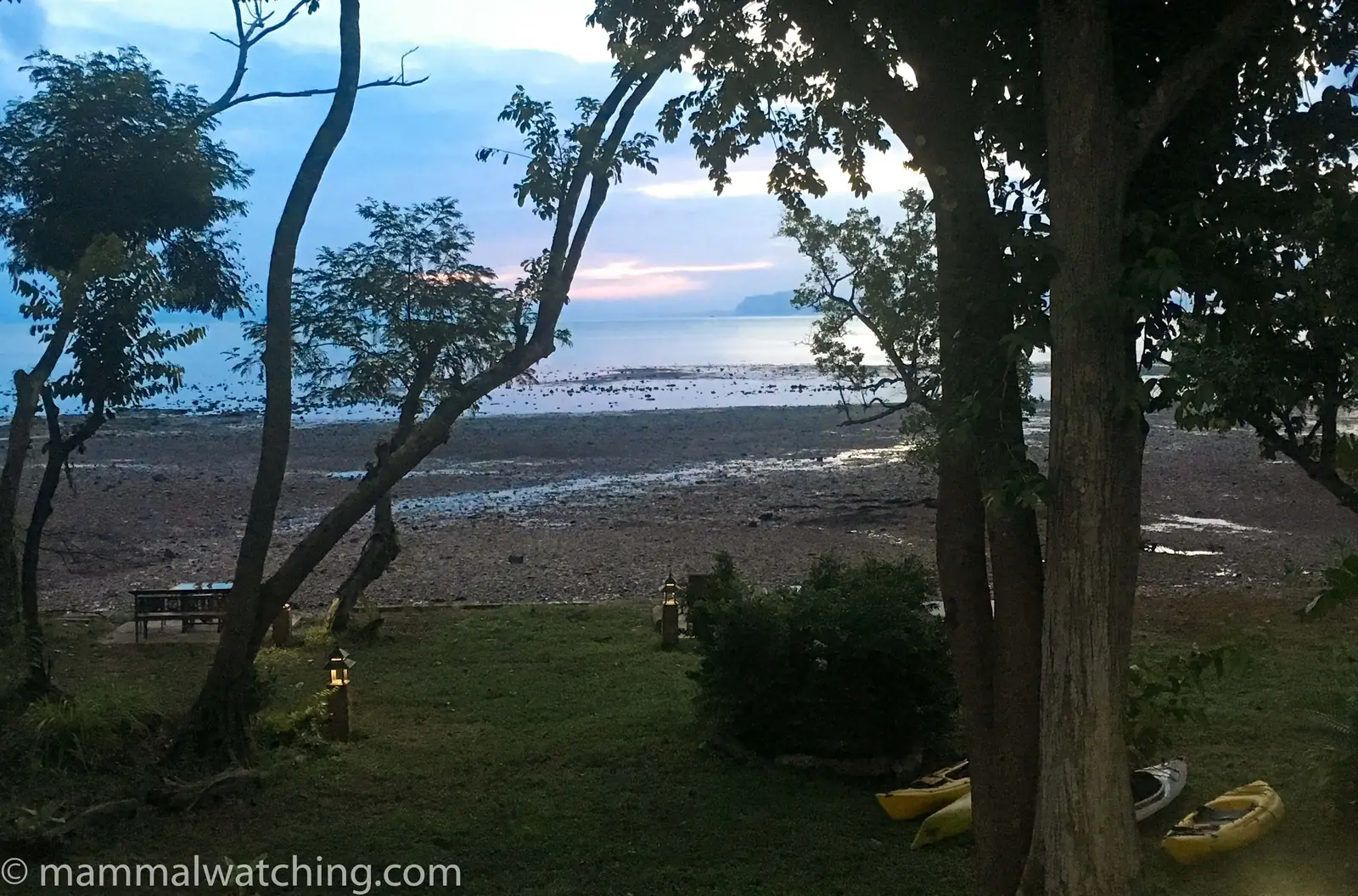
After seeing pictures of Coke and Som Smith’s new guest house – The Other Side Villas – on Koh Lanta it was impossible not to visit: primarily for relaxation, good food and good company, rather than dedicated mammaling. The photos here don’t do the place or the accommodation justice: it’s pretty much paradise. And when you throw Som’s fabulous cooking into the mix it is paradise with an upgrade.
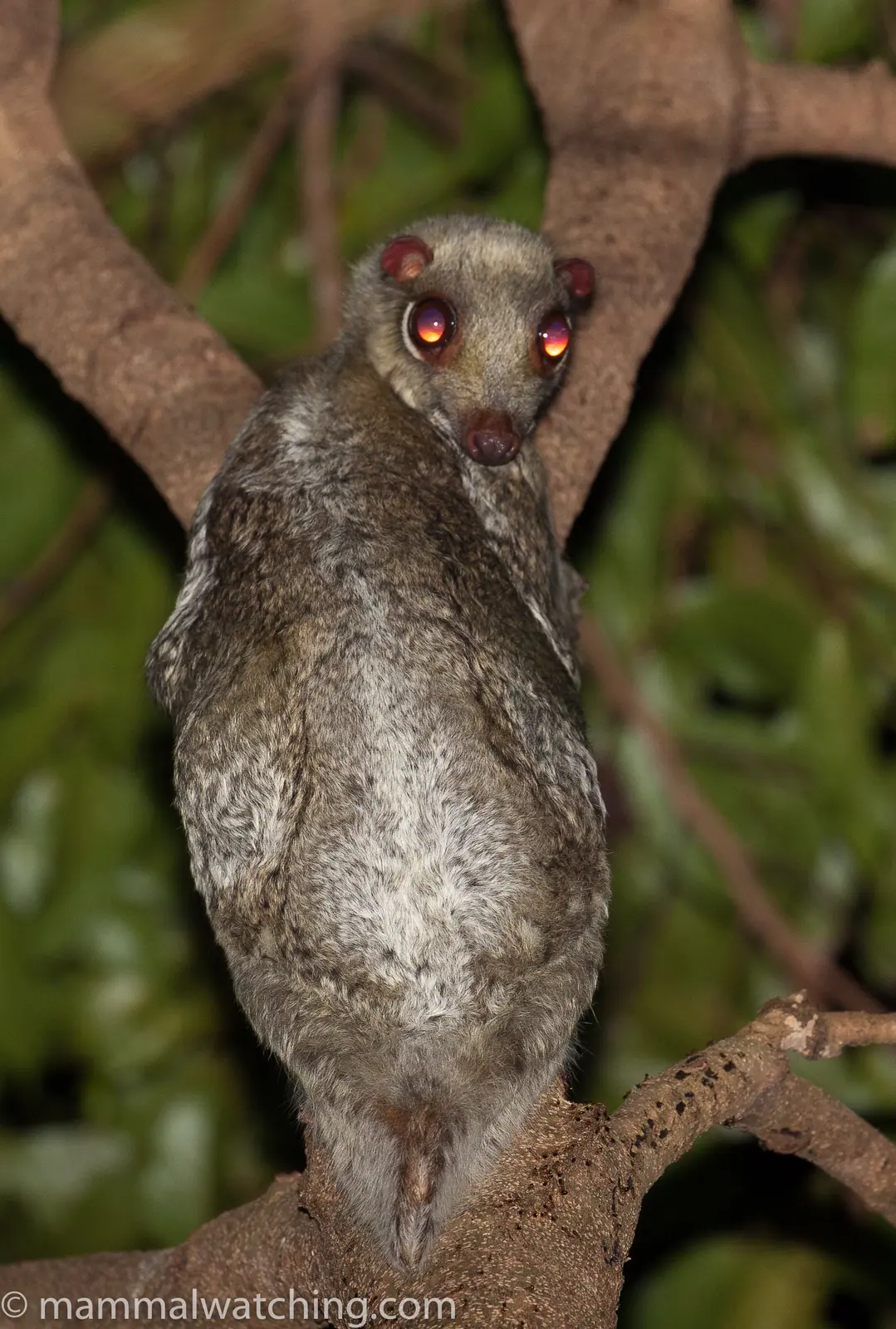
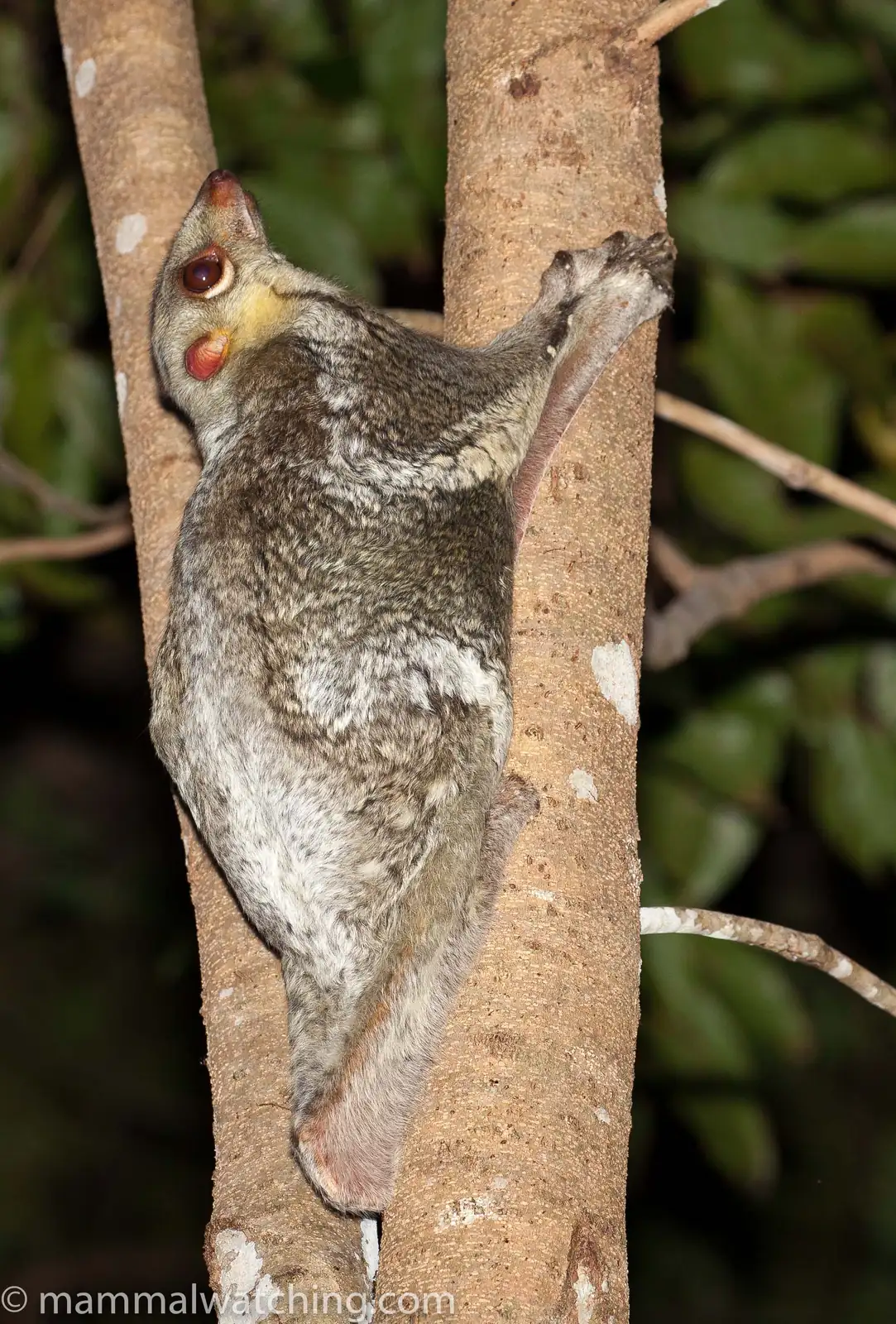
We spent three nights here. There are some nice mammals around the house. A Colugo appears most evenings and posed very obligingly for photographs.
I tried to catch bats on the beach but it was a windy night and we weren’t successful though Coke has seen Island Flying Fox among other species.
Small mammal trapping in the forest at Coke’s place was more successful with a Common Tree Shrews and Malaysian Woodrats. The Smiths have also seen Bamboo Rats fairly often – presumably Indomalayan Bamboo Rat – but I couldn’t find one.
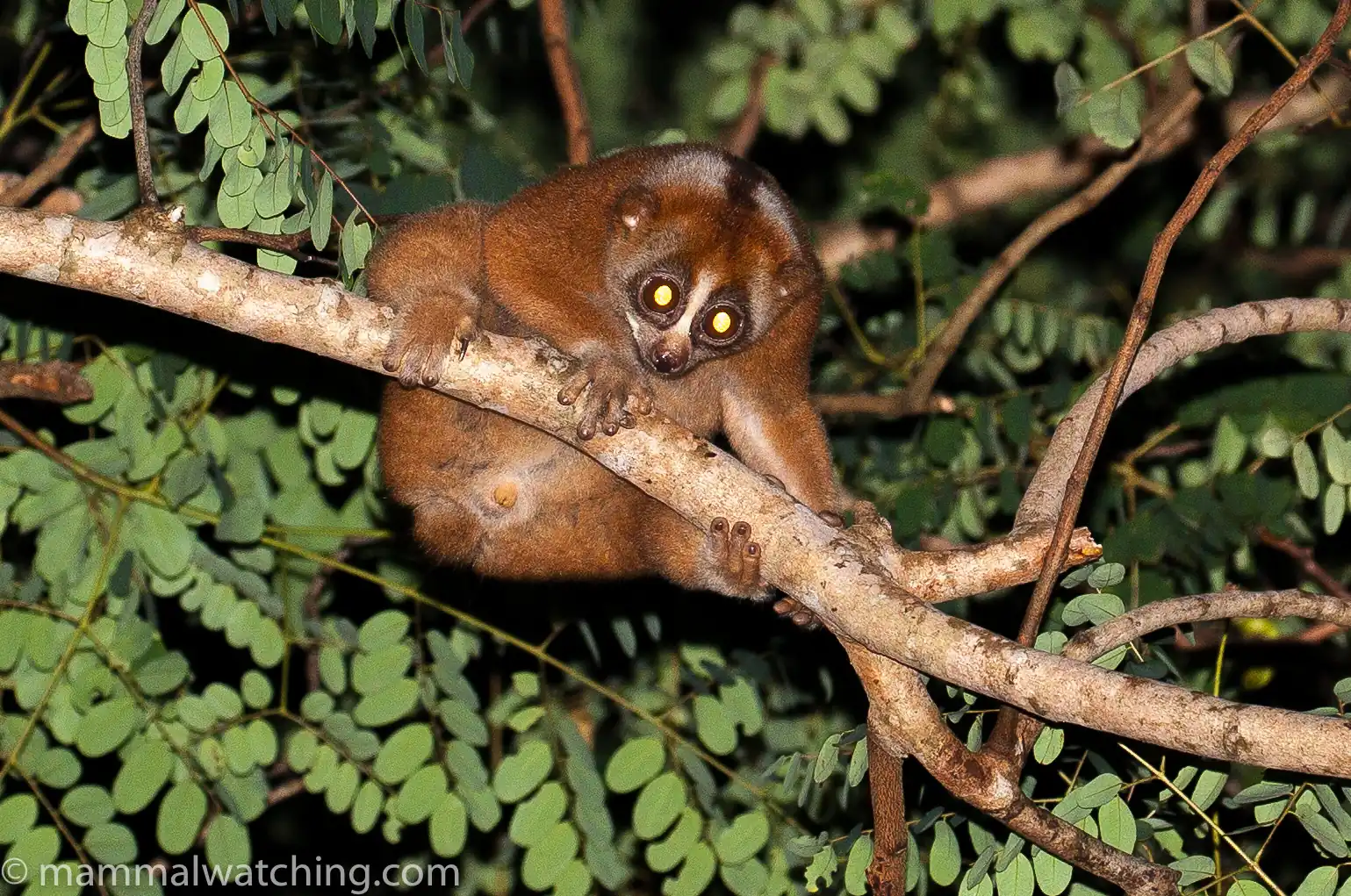
We tool a spotlighting drive around the island a couple of times. The first night we headed down towards Mu Ko Lanta National Park and found a lot of sleeping macaques but not much else mammalian. On our last night – after several drinks – we checked out the forest up the road from Coke’s place and got a great look at a Sunda Slow Loris. In case you are wondering lorises do not seem worried in the least by Queen’s Greatest Hits basting full volume out of a car full of drunk mammal watchers. One of my more unusual spotlighting ventures.
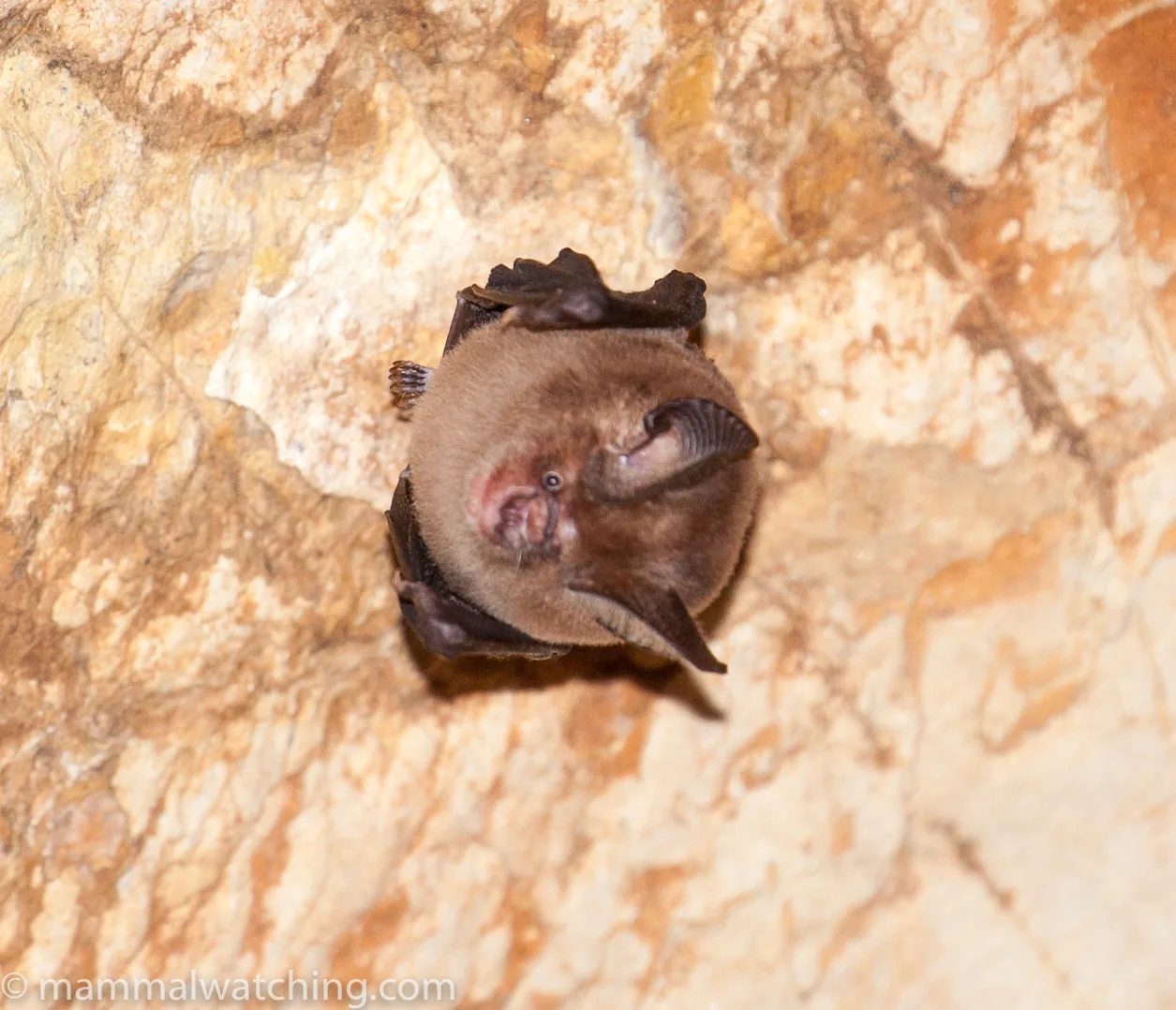
We also visited a well known bat cave one afternoon, about 15 minutes along the trail to the Khlong Chak Waterfall.There were many Lesser Sheath-tailed Bats inside.
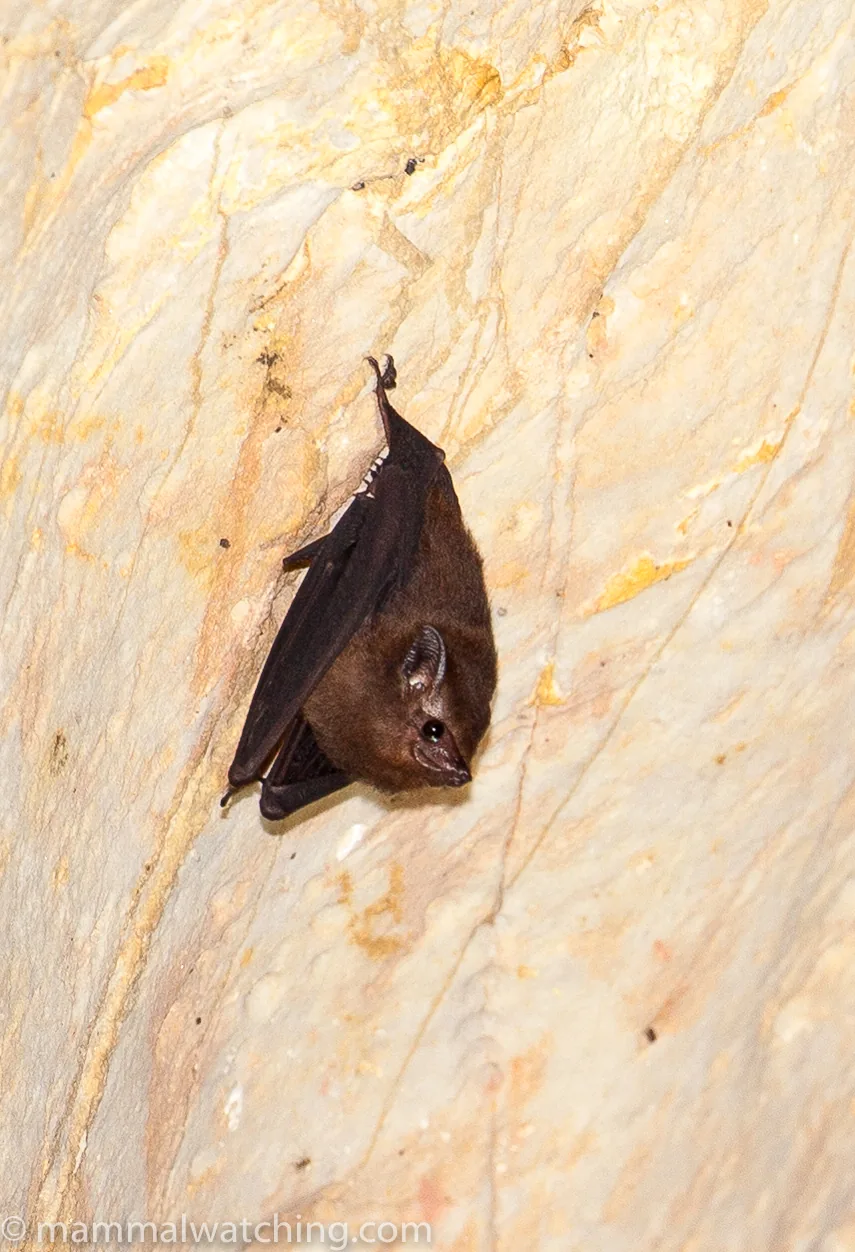
As well as a small species of roundleaf bat. I couldn’t catch any but I suspect they were Bicoloured Roundleaf Bats.
Other than that the kids had a great time canoeing to uninhabited islands, swimming and drinking smoothies, while Coke and I swapped stories over beer. It wasn’t too hard to relax…. Thanks again to Coke, Som and Coke Jr for looking after us so well.
Trip List
Black Giant Squirrel Ratufa bicolor
Grey-bellied Squirrel Callosciurus caniceps
Variable Squirrel Callosciurus finlaysonii
Red Giant Flying Squirrel Petaurista petaurista
Malaysian Field Rat Rattus tiomanicus
Golden Jackal Canis aureus
Lyle’s Flying Fox Pteropus lylei
Lesser Sheath-tailed Bat Emballonura monticola
Least Horseshoe Bat Rhinolophus pusillus
Great Roundleaf Bat Hipposideros armiger
Bicolored Roundleaf Bat Hipposideros bicolor
Malayan Flying Lemur Galeopterus variegatus
Sunda Slow Loris Nycticebus coucang
Dusky Leaf Monkey Trachypithecus obscurus
F Indochinese Gray Langur Trachypithecus crepusculus
Long-tailed Macaque Macaca fascicularis
Northern Pig-tailed Macaque Macaca leonina
Rhesus Macaque Macaca mulatta
White-handed Gibbon Hylobates lar
Common Tree-Shrew Tupaia glis
F Eden’s Whale Balaenoptera edeni
F Irrawaddy Dolphin Orcaella brevirostris
Sambar Rusa unicolor
Hog Deer Axis porcinus
24 species (Lifer’s marked with an F)
Places visited in this report
This trip report was written by Jon Hall and first published on mammalwatching.com, the community site for people who watch wild mammals. All photographs are by Jon Hall. Back to resources.