
 Wildlife
of Thailand
Resources & credits
Sources · Conservation status · Photography
About this guide
A growing field guide to Thailand’s mammals, birds, reptiles and amphibians. This edition publishes 2,030 species records with credited images. Most were reused from the Singapore guide; new sourcing uses only commercial-compatible CC or public-domain licences.
Reading the checklist
The working list combines Mammal Diversity Database and Reptile Database range data with filtered GBIF occurrence facets for birds and amphibians. Occurrence data can include vagrants, introduced animals and identification errors, so every record remains a candidate until reviewed against a national or taxon-specific source.
Thailand national conservation status is deliberately left pending. It will be added only from Thailand’s own Red Data assessments; no IUCN Red List text or status data is used.
Checklist sources
- Mammal Diversity Database
- The Reptile Database
- GBIF Thailand occurrence summary
- AviList: The Global Avian Checklist © 2026 by the AviList Core Team, licensed under CC BY 4.0: used to check current bird names and to note where it treats a species as a subspecies of another
mammalwatching.com

Mammal Watching (mammalwatching.com) is a community website for people who watch wild mammals, founded in 2005 by Jon Hall. It brings together trip reports, a directory of sites and guides, a forum, a global mammal checklist, a library of mammal sound recordings and gear advice. Its trip reports are a useful companion when planning where to look for a particular species.
The site includes many examples of how responsible mammal-watching tourism brings income to places with few other sources, giving local people a reason to protect wildlife. These include Brazil's Pantanal, where ranchers now earn more from jaguar tourism than from cattle, and visits that have helped fund research on mandrills in Gabon and spectacled bears in Ecuador. Sightings recorded by mammalwatchers have also documented range extensions, new country records and rediscoveries of "lost" species.
Trip reports
Field trip reports by Jon Hall of mammalwatching.com, with his photographs, reproduced in full. Photos by other people are credited to them and to mammalwatching.com.
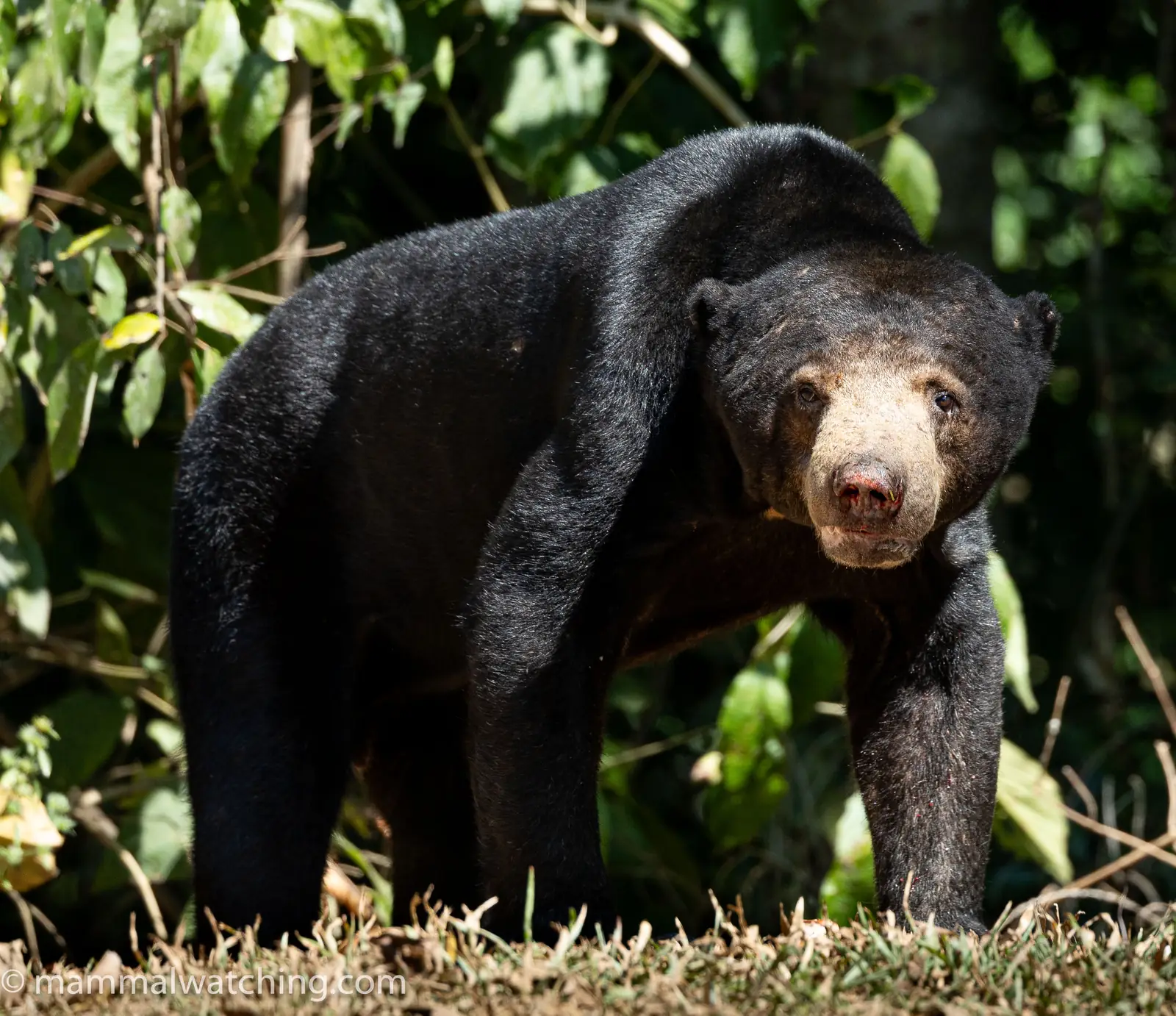 Trip report · Jon Hall · 2025Kaeng Krachan in January 2025: Sun Bears, a leopard and Robinson's Banded Langurs in a weekendIn January 2025 Jon Hall spent a weekend in Kaeng Krachan National Park, three hours from Bangkok, with Jirayu Ekkul of Wild Encounter Thailand, Coke Smith and first-time mammal watcher Jackie Shen. He hoped for Robinson's Banded Langur and found it, along with two Sun Bears, an Indochinese Leopard, seven Yellow-throated Martens, Stump-tailed Macaques, Dusky Langurs and a good set of bats.
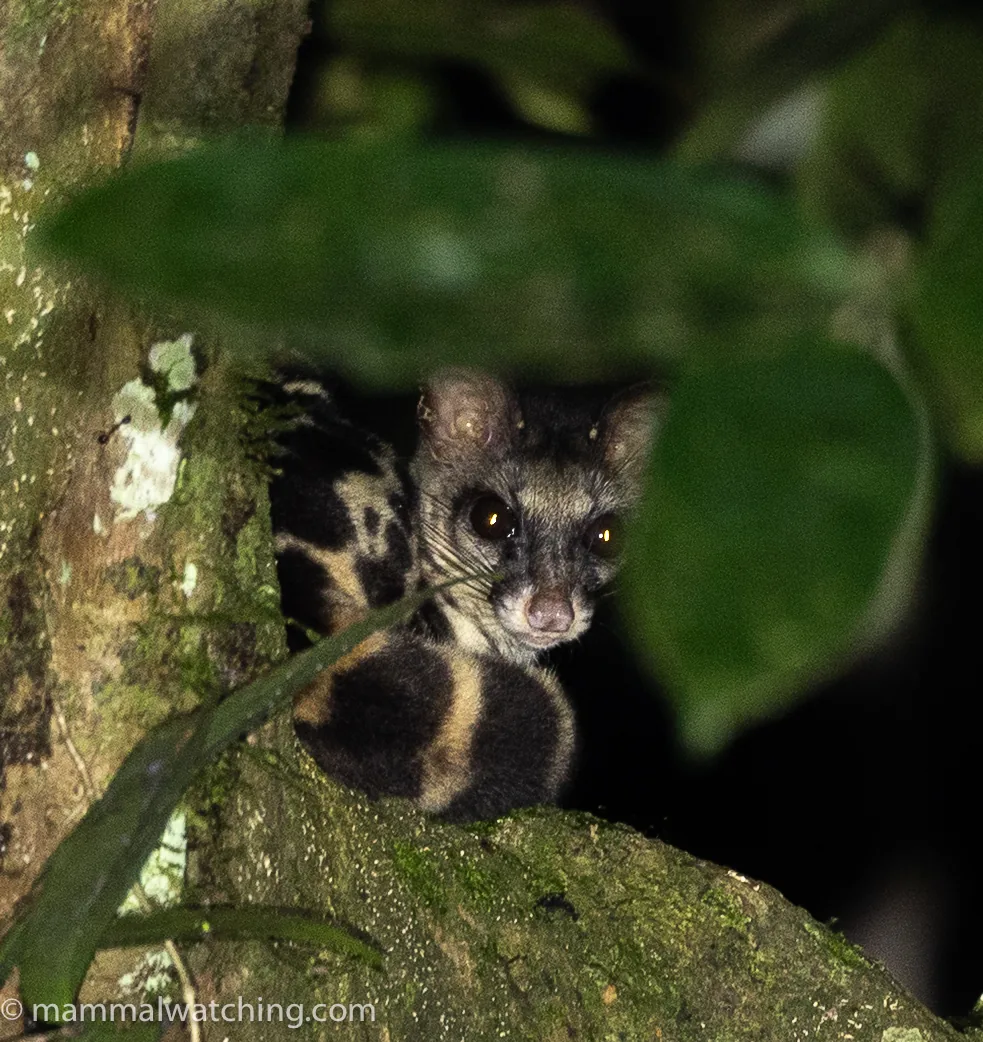 Trip report · Jon Hall · 2025Thailand's Deep South in 2025: Banded Linsang, bat caves and a recce tripJon Hall joined a small group on a recce trip to Thailand's deep south, organised by Jirayu Ekkul (Tour) of Wild Encounter Thailand, to look for the elusive Banded Linsang and a string of rare bats. The route ran from Hat Yai through bat caves in Songkhla, Yala, Satun and Phattalung to Bang Lang National Park, Hala Bala Wildlife Sanctuary and Pha Dam Forest, and finished with a short trip to Chon Buri. The main trip list has 39 species, including Banded Linsang, six of them new to the group.
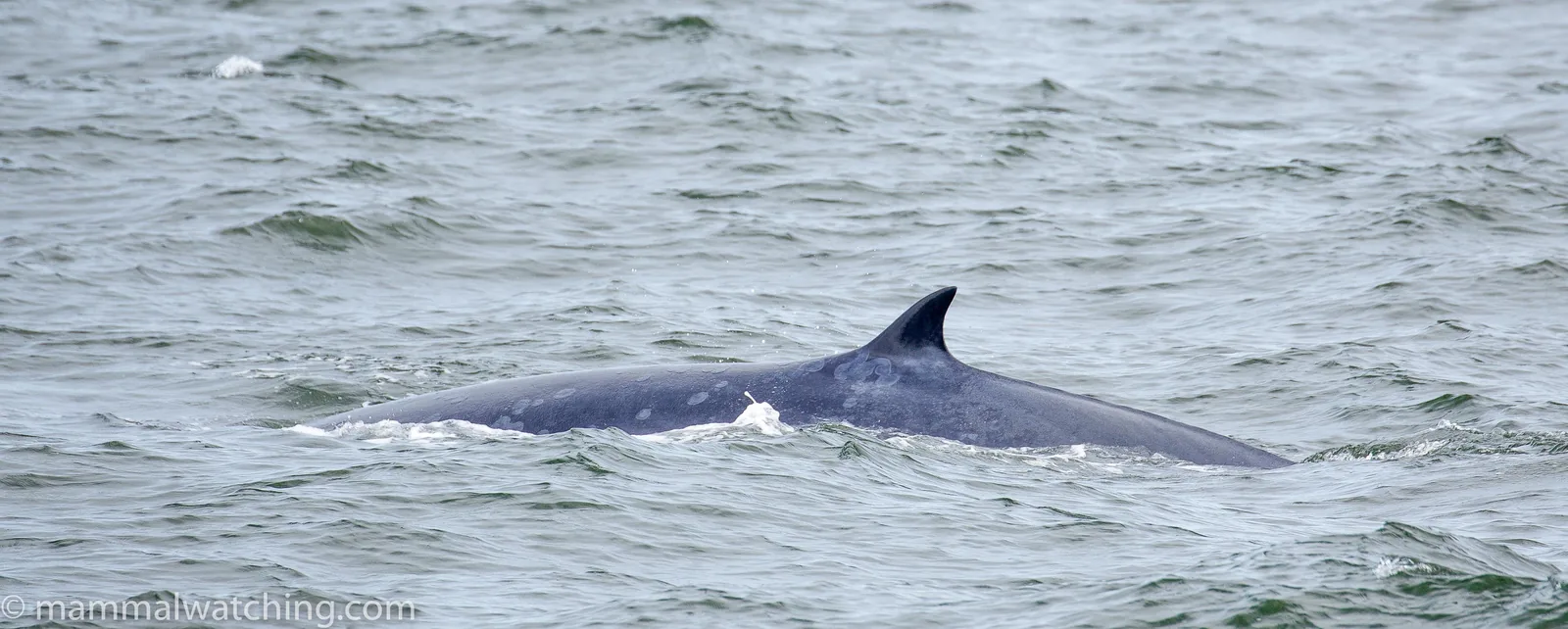 Trip report · Jon Hall · 2017Thailand in 2017: Eden's Whales, Indochinese Gray Langurs and a family trip from Bangkok to Koh LantaIn July 2017 Jon Hall spent two weeks in Thailand with his family and Coke Smith's, combining new mammals with a family holiday. With guide Jirayu Ekkul (Tour) of Wild Encounter Thailand he went whale watching in the Gulf of Thailand for Eden's Whale and Irrawaddy Dolphin, visited Kaeng Krachan and Phu Khieo for Indochinese Gray Langur, Sunda Colugo, slow loris and bats, and finished on Koh Lanta. The trip list has 24 species.
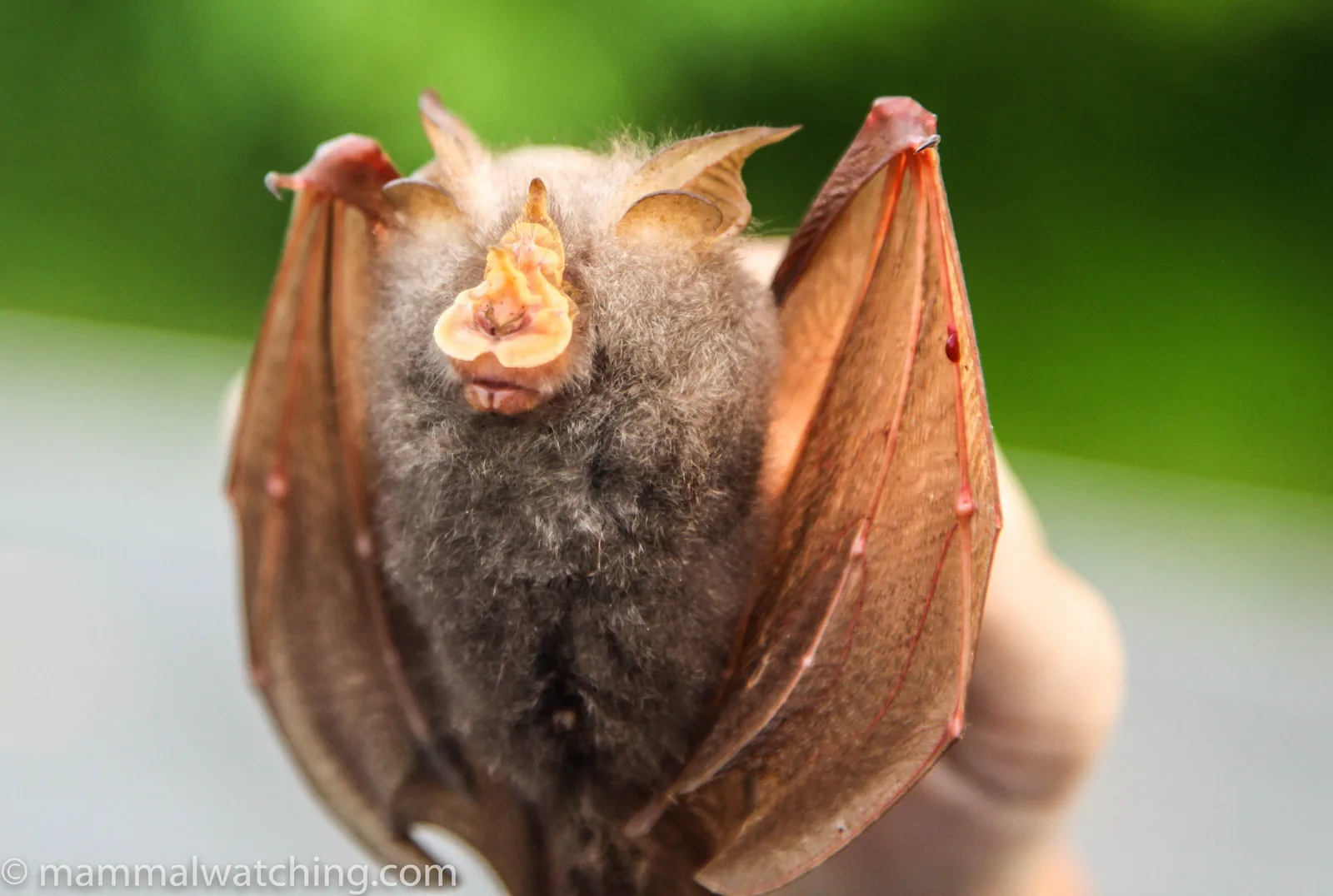 Trip report · Jon Hall · 2010Hala Bala in 2010: a tree platform for Hairy-nosed Otters and a bat-catching bonanzaIn October 2010 Jon Hall spent four more nights at Hala Bala Wildlife Reserve, again with Tu and Jan, after a work trip to Malaysia. This time the park staff built a tree platform so he could watch for the rarely seen Hairy-nosed Otter, and bat trapping added Least and Clear-winged Woolly Bats and two horseshoe bats. The trip list has 15 species, five of them new to him.
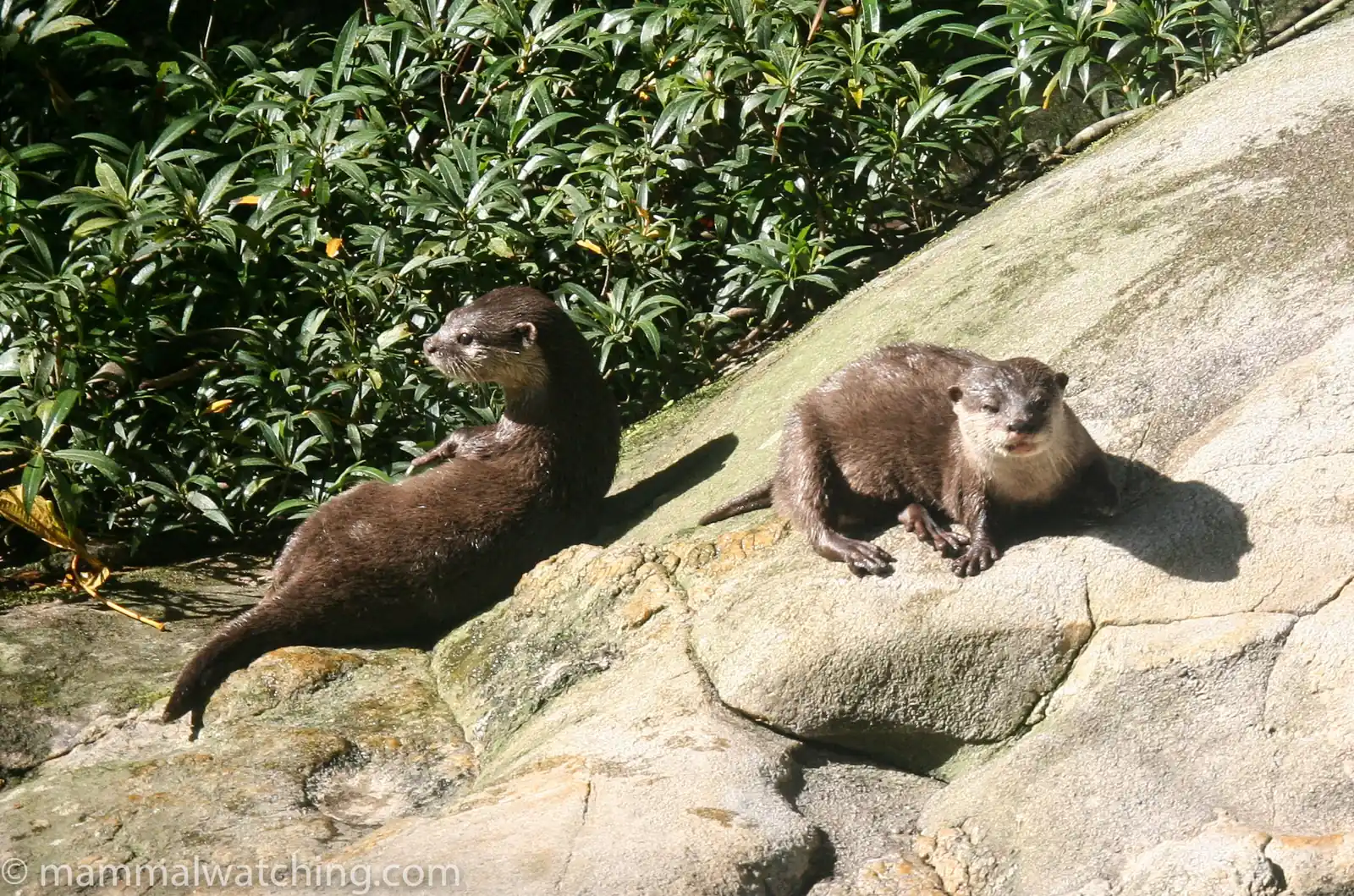 Trip report · Jon Hall · 2008Hala Bala in 2008: four nights of civets, slow lorises and bats in southern ThailandIn August 2008 Jon Hall returned to Hala Bala Wildlife Reserve, at Thailand's south-eastern tip near the Malaysian border, for four nights, arranged through his Thai friends Tu and Jan. Night drives along the park's single road produced Sunda Slow Lorises, Masked Palm Civets, Binturongs and a Giant Red Flying Squirrel, while the days brought Agile Gibbons, Small-clawed Otters and bats caught in traps. The report ends with a 21-species trip list.
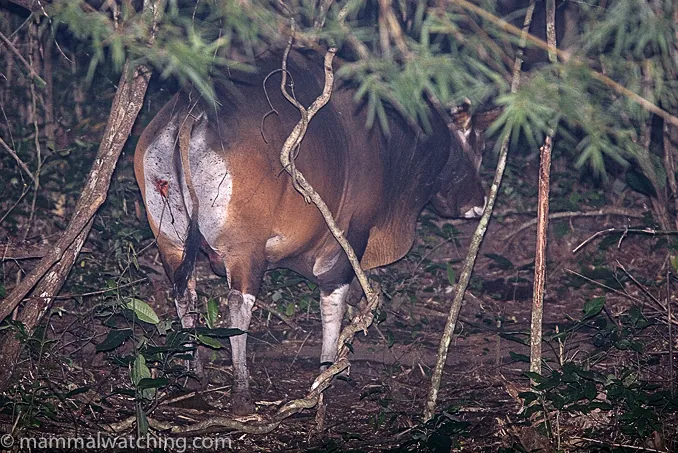 Trip report · Jon Hall · 2007Huai Kha Khaeng and Mae Wong in 2007: Banteng, Dhole and elephants on a weekend from BangkokIn December 2007 Jon Hall used a free weekend in Bangkok to return to Huai Kha Khaeng with his friend Tu, who arranged a research bungalow and ranger permission for a night drive. He saw Banteng at a salt lick, three Dholes, Golden Jackals and Asian Elephant, then moved on to Mae Wong National Park and the Khao No bat cave. The trip list covers 19 species.
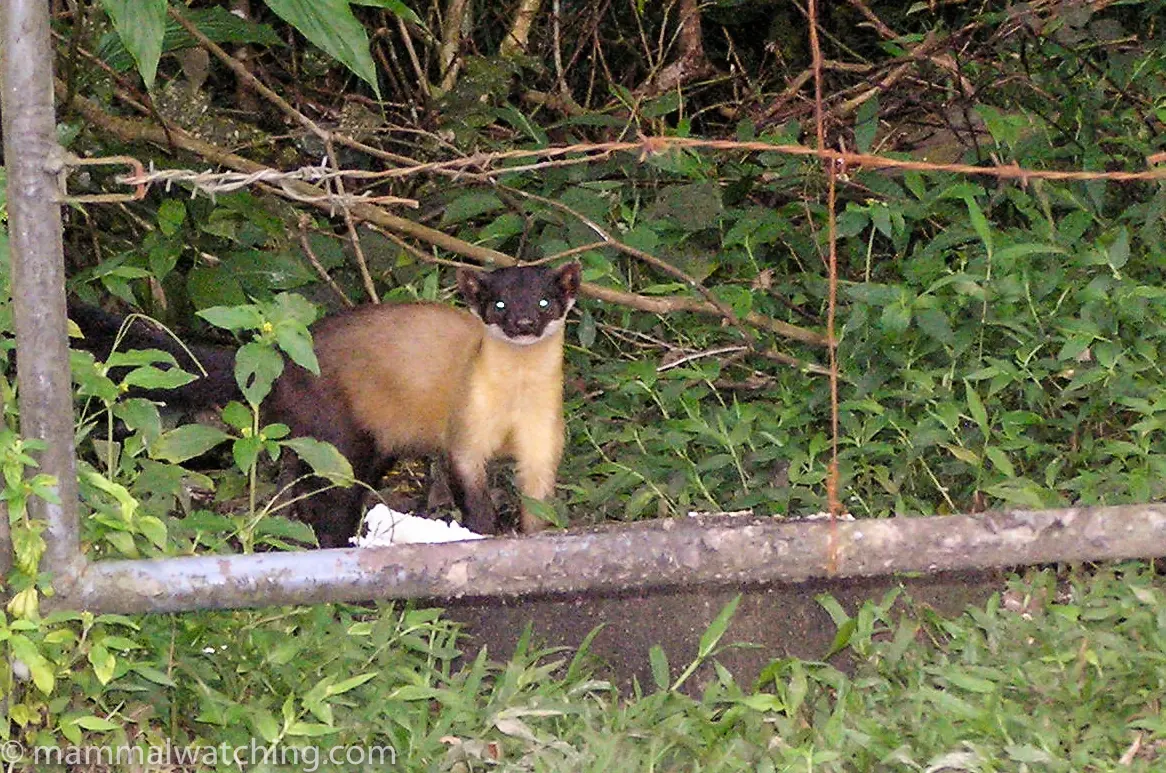 Trip report · Jon Hall · 2006Khao Yai in 2006: Pileated Gibbons, Yellow-throated Martens and a Binturong that got awayJon Hall spent a weekend at Khao Yai National Park in September 2006, two hours from Bangkok, with a local guide arranged through Wild Bird Eco. He found a family of Pileated Gibbons, watched a group of Yellow-throated Martens feeding on rice scraps below the radar tower, netted a Malayan Horseshoe Bat at dusk and spotlit a Common Palm Civet. The Binturong he was after did not appear until two days after he left.
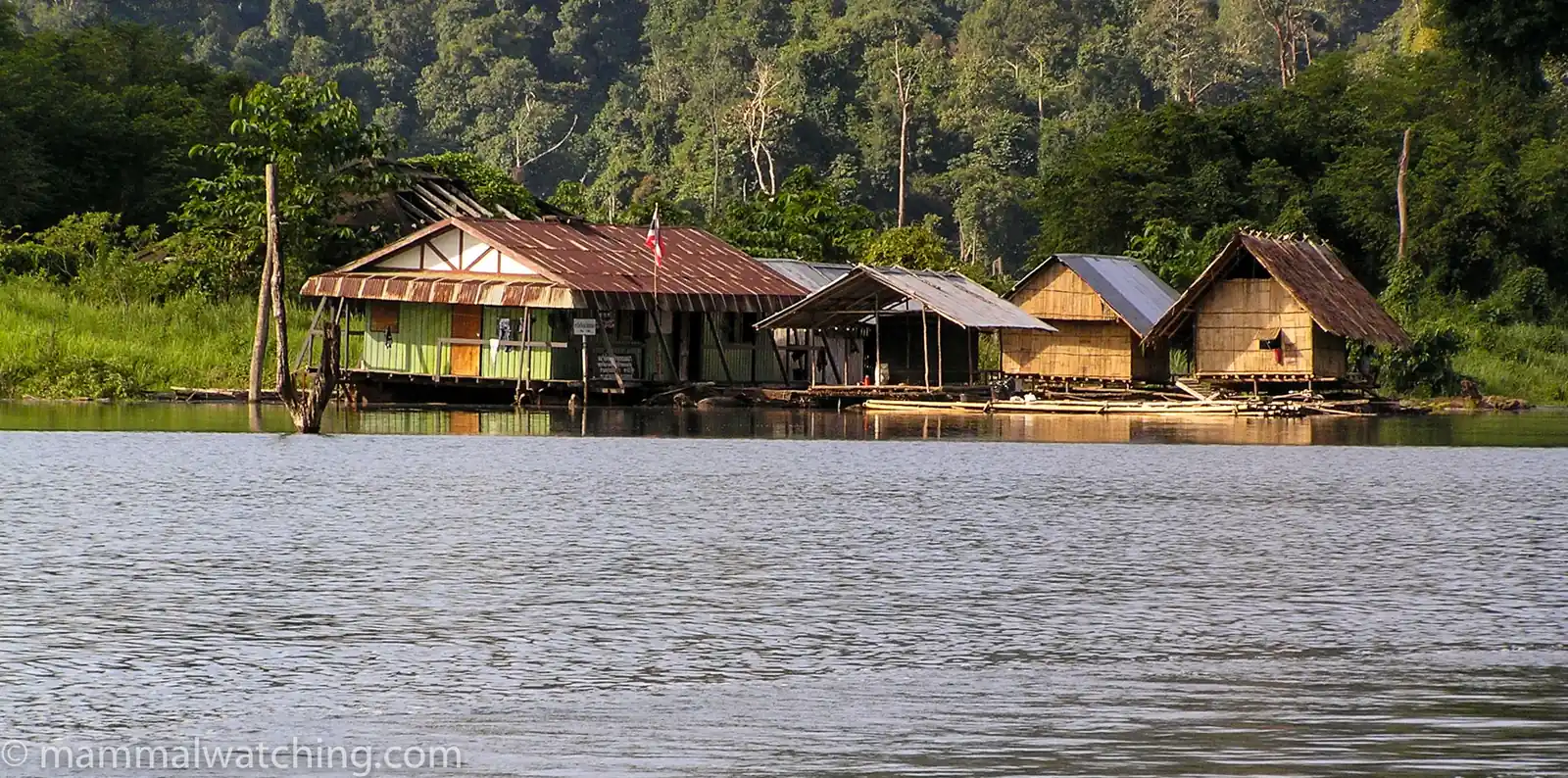 Trip report · Jon Hall · 2004Southern Thailand in 2004: Klong Saeng, Khao Sok and Hala Bala, a mammal-watching trip reportIn September 2004, during the early rainy season, Jon Hall travelled through southern Thailand with his friend and guide Rattapon Kaichid, known as Tu. He spent three nights at a floating research substation in Klong Saeng Wildlife Sanctuary, watching Smooth-coated Otters and a Sunda Colugo from a longboat, then visited Khao Sok and Hala Bala, where he trapped bats and saw Red Giant Flying Squirrels. The report adds practical notes on spotlighting in the rain.
Planning a visit
Each place links to visitor information. Check current access, weather and trail conditions before travelling. Wildlife sightings are never guaranteed.
Your plans and sightings
Plans and sightings are saved in this browser on this device. Download a PDF to keep a copy. Email buttons prepare a draft in your mail app; you choose when to send it.
Species descriptions
Species accounts are our own paraphrased summaries of published, openly accessible sources, mainly Wikipedia species accounts, and for snakes and other reptiles also The Reptile Database (reptile-database.reptarium.cz), with national checklists and Red Lists where cited. Each account names its source in brackets. Some are general to the species and are not specific to this country; a short entry means the sources said little, not that we left something out. We use no IUCN Red List data.
Photo credits
Most photographs come from iNaturalist and Wikimedia Commons, used under CC0, CC BY or CC BY-SA licences. Every one keeps its photographer’s name, a link to the original and its licence. Some photographs are our own, credited to Mike Gordon.
Photographs are chosen to show the species clearly, so some were taken elsewhere in the region rather than in Thailand. Tap the ⓘ button on any photograph to see who took it and under what licence. The full list is below.