 Wildlife
of Thailand
Mallard
Anatidae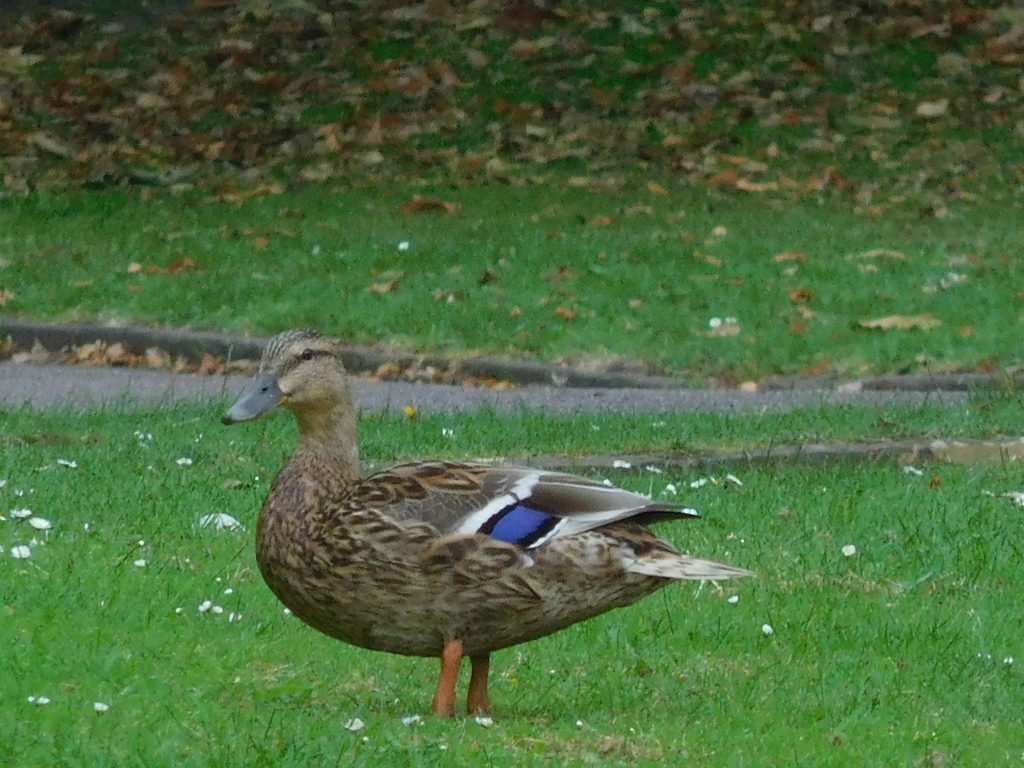
Photo: Ron Pasieczna · CC BY 4.0 (May be cropped or resized)
Anas platyrhynchos
Basic stats
Diet
Seeds, aquatic plants and invertebrates
Habitat
Freshwater and sheltered coastal wetlands
Range
Northern Hemisphere; introduced widely
Clutch size
8–13 eggs
Incubation period
27–28 days
Size
50–65cm
Wingspan
81–98cm
Weight
0.7–1.6kg
The male mallard has a glossy green head, white neck ring and chestnut breast; females are mottled brown, and both sexes show a blue speculum bordered in white. Native across much of the Northern Hemisphere and introduced widely, it uses freshwater and sheltered coastal wetlands. It dabbles for seeds, aquatic plants and invertebrates and is the principal wild ancestor of most domestic ducks (Wikipedia, general species account). It is Nationally Least Concern (Thailand Red Data 2025).
Quick answers
- What does the Mallard eat?
- Seeds, aquatic plants and invertebrates
- What habitat does the Mallard live in?
- Freshwater and sheltered coastal wetlands
- Where is the Mallard found?
- Northern Hemisphere; introduced widely
- How many eggs does the Mallard lay?
- 8–13 eggs
- How long are the eggs of the Mallard incubated?
- 27–28 days
- How big is the Mallard?
- 50–65cm
- What is the wingspan of the Mallard?
- 81–98cm
- How much does the Mallard weigh?
- 0.7–1.6kg